Syncope, commonly known as fainting, is a sudden and temporary loss of consciousness caused by a short decrease in blood flow to the brain. It is usually brief and followed by a quick recovery, but it can be frightening for patients and families, especially when it happens without warning or leads to a fall or injury.
Although many episodes of syncope are benign, fainting can sometimes be a sign of an underlying cardiac, neurological, blood pressure, medication-related, or systemic condition. A careful evaluation is important to determine whether the episode was harmless or whether further testing and treatment are needed.
Early diagnosis helps identify the cause, reduce the risk of recurrence, prevent injury, and detect potentially serious conditions.
Overview
Syncope occurs when the brain temporarily does not receive enough blood flow to maintain consciousness. This can happen because of a drop in blood pressure, changes in heart rhythm, dehydration, prolonged standing, medication effects, or problems with the body’s automatic regulation of circulation.
Most episodes are brief. A person may feel lightheaded, weak, nauseated, warm, sweaty, or have blurred vision before passing out. Others may faint suddenly with little or no warning.
Because syncope can look similar to seizures, falls, dizziness, or other neurological events, a structured evaluation is important. The goal is to understand what happened before, during, and after the episode.
What Is Syncope?
Syncope is a sudden, temporary loss of consciousness and muscle tone caused by reduced blood flow to the brain. A person usually becomes limp, falls or slumps, and then wakes up relatively quickly once blood flow returns to normal.
A typical syncopal episode often includes:
- Sudden fainting or passing out
- Loss of muscle tone
- Brief duration
- Quick recovery
- Possible warning symptoms before the episode
- Feeling tired or weak afterward, but usually without prolonged confusion
Syncope is not a diagnosis by itself. It is a symptom that can have many different causes. Identifying the cause is essential because treatment depends on the underlying mechanism.
Types of Syncope
Syncope can be classified into different types based on the cause and mechanism. Understanding the type helps guide testing and treatment.
Common types include:
- Vasovagal syncope
- Cardiac syncope
- Orthostatic hypotension
- Neurologic or autonomic-related syncope
- Situational syncope
- Medication-related syncope
Some patients may have more than one contributing factor, such as dehydration, medication effects, and blood pressure regulation problems.
Vasovagal Syncope
Vasovagal syncope is one of the most common types of fainting. It occurs when the nervous system overreacts to a trigger, causing the heart rate and blood pressure to drop. This temporarily reduces blood flow to the brain.
Common triggers may include:
- Emotional stress
- Pain
- Seeing blood
- Medical procedures
- Heat exposure
- Prolonged standing
- Dehydration
- Fear or anxiety
- Standing in crowded or warm places
Warning signs may occur before fainting, giving the person time to sit or lie down.
Symptoms before vasovagal syncope may include:
- Lightheadedness
- Nausea
- Sweating
- Feeling warm
- Blurred vision
- Tunnel vision
- Pale skin
- Weakness
- Yawning
- Hearing changes
- Feeling like fainting is about to happen
Vasovagal syncope is often benign, but recurrent episodes can affect safety and quality of life.
Cardiac Syncope
Cardiac syncope occurs when a heart rhythm problem or structural heart condition reduces blood flow to the brain. This type can be more serious and requires prompt evaluation.
Cardiac causes may include:
- Abnormal heart rhythms
- Very slow heart rate
- Very fast heart rate
- Heart valve disease
- Cardiomyopathy
- Heart block
- Prior heart attack
- Structural heart disease
- Inherited rhythm disorders
Cardiac syncope may occur suddenly and sometimes without warning. It may happen during exercise, while lying down, or with palpitations, chest pain, or shortness of breath.
Features that may raise concern for cardiac syncope include:
- Fainting during exertion
- Fainting while lying down
- Chest pain
- Palpitations
- Shortness of breath
- Known heart disease
- Family history of sudden cardiac death
- Abnormal ECG
- Repeated unexplained episodes
- No warning symptoms before fainting
Because cardiac syncope can be associated with serious risk, these symptoms should be evaluated carefully.
Orthostatic Hypotension
Orthostatic hypotension occurs when blood pressure drops after standing up. This can reduce blood flow to the brain and cause dizziness, lightheadedness, or fainting.
Orthostatic hypotension may be related to:
- Dehydration
- Blood loss
- Medication side effects
- Prolonged bed rest
- Diabetes-related autonomic dysfunction
- Parkinson’s disease or related disorders
- Aging-related blood pressure changes
- Neuropathy affecting autonomic nerves
- Low blood volume
Symptoms often occur after standing from sitting or lying down.
Common symptoms include:
- Lightheadedness upon standing
- Feeling faint
- Blurred vision
- Weakness
- Unsteadiness
- Nausea
- Fainting shortly after standing
Checking blood pressure while lying, sitting, and standing can help identify this type of syncope.
Situational Syncope
Situational syncope is a form of reflex syncope triggered by specific activities. These activities can temporarily affect blood pressure, heart rate, or nervous system regulation.
Triggers may include:
- Coughing
- Swallowing
- Urination
- Bowel movements
- Straining
- Laughing
- After eating
- Sudden pain
- Standing after exertion
Recognizing the trigger is important because treatment may focus on prevention strategies and reducing risk during high-risk situations.
Neurologic and Autonomic Causes
Neurological causes of syncope are less common than cardiac or blood pressure-related causes, but they may occur when the nervous system’s regulation of circulation is affected.
Neurologic or autonomic contributors may include:
- Autonomic nervous system dysfunction
- Parkinson’s disease and related disorders
- Peripheral autonomic neuropathy
- Diabetic autonomic neuropathy
- Multiple system atrophy
- Certain spinal cord disorders
- Rare brainstem-related causes
Neurological evaluation is also important when the episode could represent a seizure, transient ischemic attack, or another neurological event.
Causes and Risk Factors
Syncope can result from many different causes. Some are temporary and treatable, while others require more detailed medical evaluation.
Common causes include:
- Dehydration
- Low blood pressure
- Vasovagal reflex
- Prolonged standing
- Sudden position changes
- Heart rhythm abnormalities
- Structural heart disease
- Medication side effects
- Blood loss
- Low blood sugar
- Anemia
- Autonomic dysfunction
- Heat exposure
- Pain or emotional stress
- Neurological conditions
- Alcohol or substance effects
- Severe illness or infection
Risk factors may include:
- Older age
- Heart disease
- Diabetes
- Neuropathy
- Parkinson’s disease
- High blood pressure medications
- Diuretics
- Dehydration
- History of falls
- Prior fainting episodes
- Family history of sudden cardiac death
- Abnormal heart rhythm
- Recent medication changes
A full medical history and medication review are important parts of evaluation.
Warning Signs Before Syncope
Many people experience warning symptoms before fainting. This stage is called presyncope. Recognizing these symptoms can help prevent injury by allowing the person to sit or lie down before losing consciousness.
Common warning signs include:
- Lightheadedness
- Dizziness
- Nausea
- Sweating
- Feeling warm
- Weakness
- Blurred vision
- Tunnel vision
- Pale skin
- Ringing in the ears
- Muffled hearing
- Feeling unsteady
- Feeling faint
- Heart racing or palpitations
- Shortness of breath
- Anxiety or a sense that something is wrong
Not all patients have warning symptoms. Fainting without warning may require more urgent evaluation, especially if there is concern for a heart-related cause.
Symptoms After Syncope
After syncope, many patients wake up quickly and feel better once lying down. Some may feel tired, weak, shaky, nauseated, or embarrassed after the event.
After a syncopal episode, patients may experience:
- Rapid return of awareness
- Tiredness
- Weakness
- Mild nausea
- Sweating
- Headache
- Anxiety about recurrence
- Injury from falling
- Memory of warning symptoms before the event
Prolonged confusion after an episode is less typical for simple syncope and may suggest seizure, head injury, medication effect, or another cause.
When to Seek Urgent Medical Attention
Urgent medical evaluation is necessary when syncope may be related to a serious heart, neurological, or systemic condition.
Seek urgent medical attention if syncope occurs with:
- Chest pain
- Shortness of breath
- Palpitations
- Fainting during exercise
- Fainting while lying down
- No warning symptoms
- Known heart disease
- Abnormal heart rhythm
- Severe headache
- New weakness
- Numbness
- Trouble speaking
- Vision loss
- Confusion that does not quickly improve
- Injury from a fall
- Prolonged unconsciousness
- Repeated episodes
- Family history of sudden cardiac death
- Pregnancy
- Severe bleeding or dehydration
Any sudden loss of consciousness should be taken seriously when the cause is unclear.
Syncope Compared to Seizure
Syncope and seizures can sometimes look similar because both may involve loss of consciousness and falling. In some cases, syncope can even cause brief jerking movements due to reduced blood flow to the brain. This can make the distinction challenging.
However, there are important differences.
Syncope is more likely when there is:
- Trigger such as standing, heat, pain, or dehydration
- Warning symptoms such as lightheadedness, sweating, nausea, or blurred vision
- Brief loss of consciousness
- Limp body tone
- Quick recovery
- Improvement after lying down
- Little or no prolonged confusion afterward
Seizure is more likely when there is:
- No clear fainting trigger
- Sudden loss of awareness without warning
- Rhythmic convulsions
- Tongue biting, especially on the side of the tongue
- Loss of bladder control
- Prolonged confusion afterward
- Sleepiness after the event
- Muscle soreness afterward
- Staring spells or repeated episodes of altered awareness
Because the signs can overlap, evaluation may involve both cardiac and neurological testing. Witness descriptions, videos of the event when available, and details about recovery can be very helpful.
Diagnostic Approach
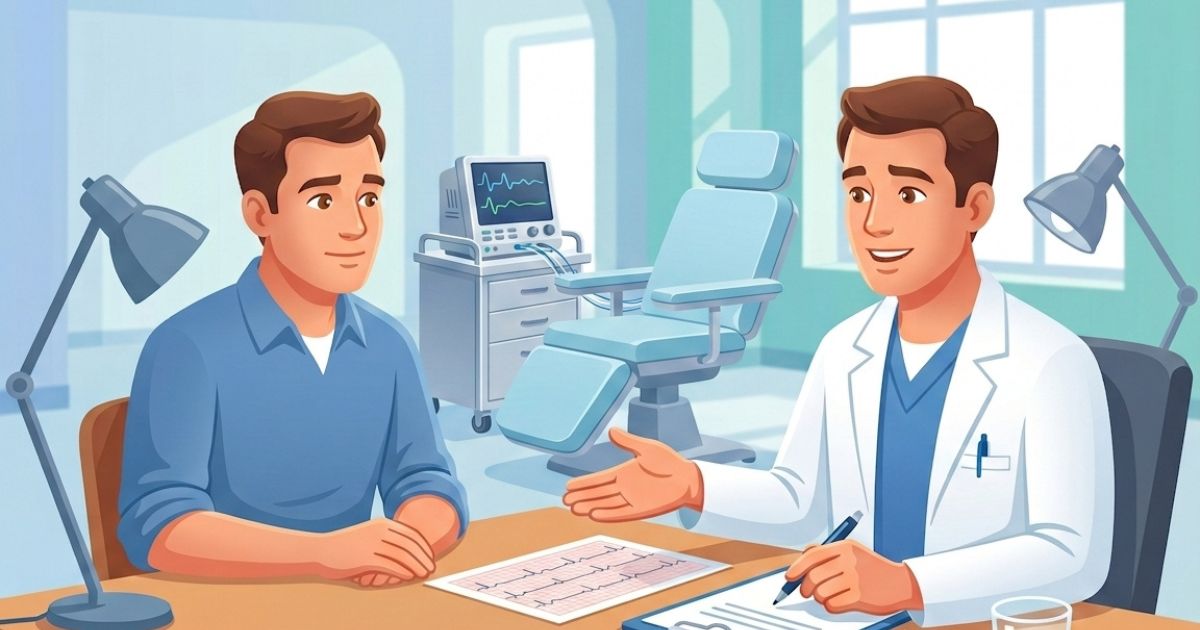
Diagnosis begins with a detailed review of the event. The provider may ask what the person was doing before the episode, whether there were warning signs, how long the person was unconscious, what witnesses observed, and how quickly the person recovered.
Important details include:
- Position before fainting
- Activity at the time of the episode
- Triggers such as pain, heat, standing, or exertion
- Symptoms before the event
- Duration of unconsciousness
- Movements during the episode
- Skin color or sweating
- Breathing pattern
- Heart racing or chest discomfort
- Confusion after waking
- Injuries from falling
- Medication use
- Heart history
- Neurological history
- Family history of sudden death or seizures
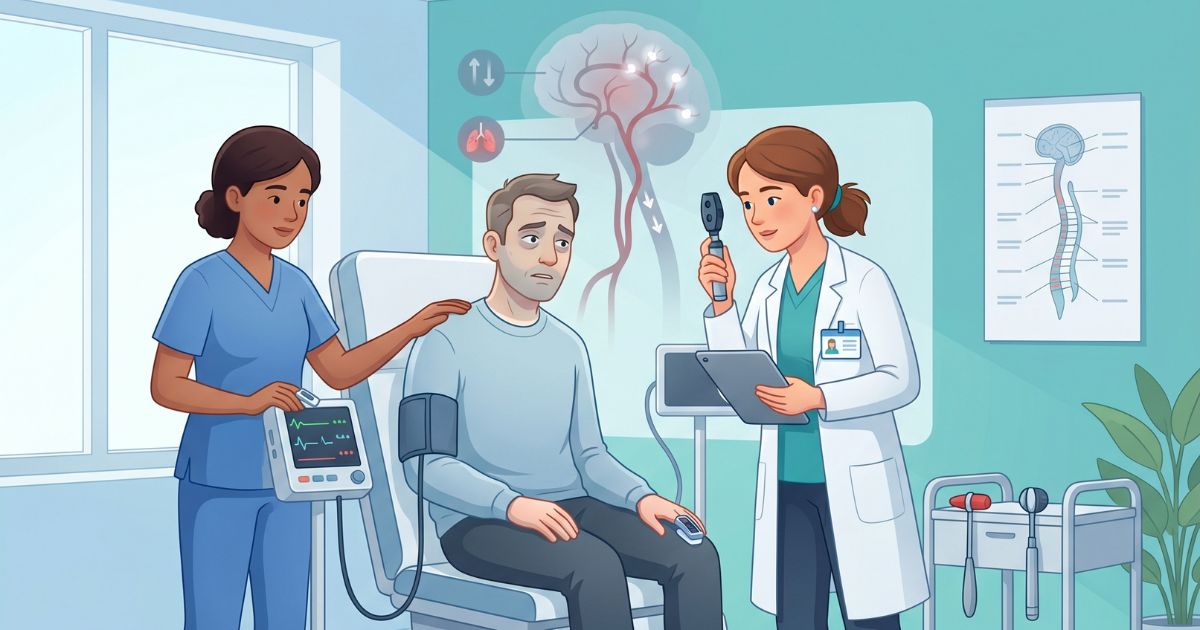
A physical examination and neurological examination may help identify signs of heart disease, blood pressure changes, neurological abnormalities, dehydration, or injury.
Tests Used
Testing is selected based on the patient’s history, risk factors, examination, and suspected cause. Not every patient needs every test.
Common tests may include:
Electrocardiogram
An electrocardiogram, or ECG, records the electrical activity of the heart. It can help detect rhythm abnormalities, conduction problems, signs of prior heart injury, or patterns that may increase risk of fainting.
An ECG is often part of the initial syncope evaluation.
Orthostatic Blood Pressure Testing
Blood pressure and heart rate may be checked while lying down, sitting, and standing. This helps determine whether symptoms are related to a drop in blood pressure after standing.
This test can help identify orthostatic hypotension and autonomic blood pressure regulation problems.
Blood Tests
Blood tests may help identify medical causes that can contribute to fainting.
Testing may include:
- Blood count
- Electrolytes
- Blood sugar
- Kidney function
- Thyroid testing when appropriate
- Markers of dehydration
- Medication-related monitoring
- Other tests based on symptoms
Blood work can help detect anemia, dehydration, low blood sugar, metabolic imbalance, or other systemic contributors.
Heart Rhythm Monitoring
If an abnormal heart rhythm is suspected, longer heart monitoring may be recommended. This can help detect intermittent rhythm changes that may not appear during a standard ECG.
Monitoring may include:
- Holter monitor
- Event monitor
- Patch monitor
- Implantable loop recorder in selected cases
Heart monitoring is especially useful when episodes are recurrent, unexplained, or associated with palpitations.
Echocardiogram
An echocardiogram is an ultrasound of the heart. It may be used when structural heart disease is suspected.
It can help evaluate:
- Heart valve problems
- Heart muscle function
- Cardiomyopathy
- Structural abnormalities
- Effects of prior heart disease
Tilt-Table Testing
Tilt-table testing evaluates how blood pressure and heart rate respond to changes in position. The patient is placed on a table that tilts from lying to upright while monitoring vital signs.
This test may help diagnose:
- Vasovagal syncope
- Orthostatic hypotension
- Autonomic dysfunction
- Postural intolerance syndromes
Tilt-table testing may be helpful when episodes are recurrent and the cause remains unclear.
EEG
An electroencephalogram, or EEG, measures electrical activity in the brain. It may be recommended when seizure is suspected based on the event description or recovery pattern.
EEG may be considered if there are:
- Recurrent unexplained episodes
- Prolonged confusion afterward
- Convulsive movements
- Staring spells
- Tongue biting
- No clear fainting trigger
- Concern for epilepsy
EEG is not required for every fainting episode, but it can be important when the diagnosis is uncertain.
Brain Imaging
Brain imaging, such as MRI or CT, may be recommended when neurological symptoms are present or when another brain-related cause needs to be ruled out.
Imaging may be considered if syncope is associated with:
- Head injury
- Severe headache
- New weakness
- Numbness
- Trouble speaking
- Vision changes
- Abnormal neurological examination
- Concern for stroke, tumor, or bleeding
Cardiac and Neurologic Evaluation Pathway
Syncope evaluation often involves determining whether the event is more likely cardiac, blood pressure-related, neurological, or reflex-mediated.
Cardiac evaluation may be prioritized when there is:
- Chest pain
- Palpitations
- Syncope during exertion
- Syncope while lying down
- Known heart disease
- Abnormal ECG
- Family history of sudden cardiac death
- Sudden episodes without warning
Neurological evaluation may be prioritized when there is:
- Prolonged confusion after the event
- Convulsive movements
- Tongue biting
- Recurrent unexplained altered awareness
- New neurological symptoms
- Abnormal neurological examination
- Concern for seizure
- Concern for stroke or other brain disorder
In many cases, both pathways may be considered to avoid missing important causes.
Treatment Options
Treatment depends on the underlying cause of syncope. The goal is to prevent recurrence, reduce injury risk, and treat any serious medical condition that may be contributing.
Treatment may include:
- Hydration and salt intake guidance when appropriate
- Trigger avoidance
- Medication adjustment
- Blood pressure management
- Treatment of heart rhythm problems
- Cardiology referral when needed
- Neurology evaluation when seizure is suspected
- Tilt-table guided management
- Physical counter-pressure maneuvers
- Fall prevention strategies
- Treatment of anemia, dehydration, or metabolic issues
- Long-term monitoring for recurrent unexplained episodes
The treatment plan should be individualized based on the diagnosis and risk level.
Trigger Avoidance and Lifestyle Modifications
For vasovagal or orthostatic syncope, lifestyle strategies may help reduce recurrence.
Helpful strategies may include:
- Staying well hydrated
- Eating regular meals
- Avoiding prolonged standing
- Avoiding overheating
- Rising slowly from sitting or lying down
- Sitting or lying down at the first warning sign
- Avoiding known triggers when possible
- Wearing compression stockings when recommended
- Increasing salt intake only if advised by a clinician
- Avoiding sudden posture changes
- Limiting alcohol if it contributes to dehydration or low blood pressure
Patients who recognize warning symptoms may be taught how to respond quickly to prevent fainting.
Physical Counter-Pressure Maneuvers
Some patients with warning symptoms may benefit from physical counter-pressure maneuvers. These techniques help increase blood pressure during presyncope.
Examples may include:
- Leg crossing
- Muscle tensing
- Hand gripping
- Squatting
- Sitting or lying down quickly
- Raising the legs while lying down
These should be taught by a clinician when appropriate.
Medication Management
Medications can sometimes contribute to syncope by lowering blood pressure, affecting heart rhythm, or causing dehydration. A medication review is an important part of evaluation.
Medication management may include:
- Adjusting blood pressure medications
- Reviewing diuretics
- Evaluating heart rhythm medications
- Avoiding medications that worsen dizziness
- Treating underlying rhythm problems
- Prescribing medication for recurrent syncope when appropriate
- Coordinating with cardiology or primary care
Patients should not stop prescribed medication without medical guidance.
Fall Prevention and Safety Strategies
Preventing injury is a major part of syncope management. Even benign fainting can cause serious harm if a person falls.
Safety strategies may include:
- Sitting or lying down when warning symptoms begin
- Avoiding driving until cleared if episodes are unexplained or recurrent
- Using caution with stairs
- Avoiding ladders or heights if episodes are active
- Staying hydrated in hot environments
- Getting up slowly
- Keeping the home free of tripping hazards
- Informing family members about warning signs
- Wearing supportive footwear
- Following treatment recommendations
Patients with recurrent episodes may need individualized safety guidance based on frequency, triggers, and risk.
Long-Term Management
Long-term care depends on the cause of syncope and whether episodes recur. Some patients need only lifestyle changes and reassurance, while others require cardiac monitoring, medication changes, neurological evaluation, or specialist care.
Long-term management may include:
- Follow-up visits
- Monitoring for recurrence
- Reviewing new symptoms
- Medication adjustments
- Heart rhythm monitoring
- Blood pressure tracking
- Neurological follow-up when needed
- Fall risk assessment
- Patient and family education
- Coordination with cardiology or primary care
Patients should seek reassessment if episodes become more frequent, happen without warning, occur during exertion, or are associated with new symptoms.
Why Early Diagnosis Matters
Early diagnosis helps identify whether syncope is benign or related to a more serious condition. This is especially important for cardiac causes, which may require prompt treatment.
Early evaluation can help:
- Identify heart rhythm problems
- Detect blood pressure regulation issues
- Distinguish syncope from seizure
- Reduce injury from falls
- Prevent recurrent episodes
- Identify medication-related causes
- Treat dehydration or metabolic contributors
- Guide safe activity recommendations
- Provide reassurance when serious causes are ruled out
A sudden loss of consciousness should not be ignored, especially when the cause is unclear.
Living With Syncope
Living with syncope can be stressful because episodes may feel unpredictable. Some patients avoid exercise, driving, public places, or standing for long periods because they worry about fainting again.
Education can help patients understand their triggers, warning signs, and safety steps. For many people, learning what to do during presyncope can reduce the chance of injury.
Helpful self-management strategies may include:
- Tracking episodes and triggers
- Recording warning symptoms
- Noting posture and activity before fainting
- Staying hydrated
- Avoiding overheating
- Standing up slowly
- Sitting or lying down when symptoms begin
- Sharing episode details with the care team
- Asking witnesses to describe what they saw
- Following up if symptoms change
The goal is to improve safety, reduce recurrence, and help patients feel more confident in daily life.
Why Choose Us
At Brain & Nerve Center, we provide comprehensive evaluation for syncope, fainting, presyncope, and unexplained episodes of loss of consciousness. Our approach focuses on identifying the underlying cause and distinguishing syncope from seizures, neurological events, cardiac causes, and blood pressure-related conditions.
We use a structured evaluation that may include a detailed history of the event, neurological examination, review of triggers and warning signs, medication review, orthostatic blood pressure assessment, ECG coordination, EEG when seizure is suspected, imaging when appropriate, and referral for cardiac testing when needed.
Because syncope can involve multiple systems, we take a careful and individualized approach. When cardiac features are present, we prioritize appropriate cardiac evaluation. When seizure or neurological causes are suspected, we provide focused neurological assessment and testing.
Our goal is to help patients understand why the episode occurred, reduce recurrence, prevent injury, and support long-term safety and health.