
Conditions
Comprehensive Evaluation and Management of Abnormal Movement Conditions
Movement disorders are neurological conditions that affect the speed, fluency, quality, or control of voluntary and involuntary movements. These conditions can significantly impact daily functioning, balance, and quality of life, but many can be effectively managed with early diagnosis and targeted treatment.
Movement Disorders
Conditions that affect movement, coordination, and muscle control:
Parkinson’s disease
A progressive neurological disorder that affects movement, causing tremor, stiffness, slowed movement, and balance problems.

Essential tremor
A common movement disorder characterized by rhythmic shaking, most often affecting the hands.
Huntington’s disease
An inherited neurodegenerative disorder that causes involuntary movements, cognitive decline, and psychiatric symptoms.

Dyskinesia
Abnormal involuntary movements that may occur as a neurological condition or as a side effect of certain medications.
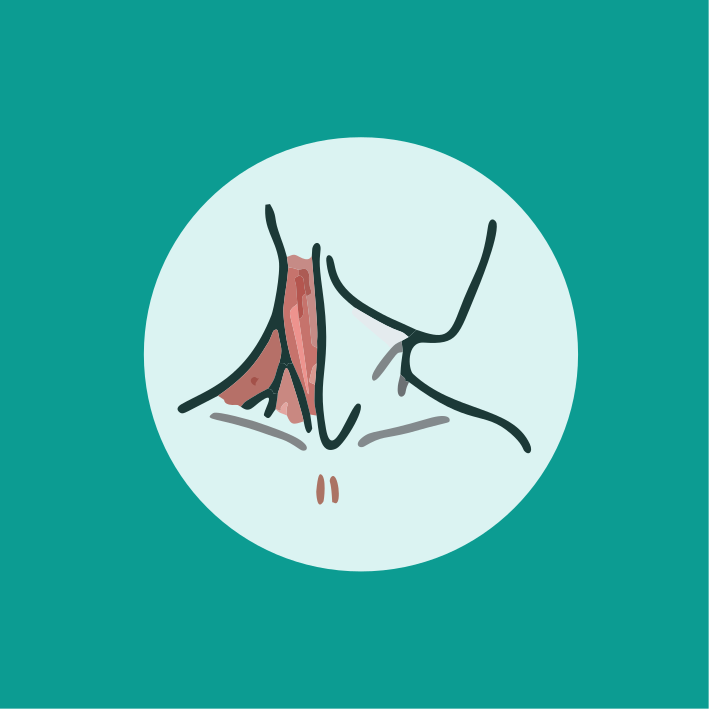
Cervical dystonia
A movement disorder causing involuntary neck muscle contractions that lead to abnormal head positioning and pain.
Restless leg syndrome
A neurological condition that creates an irresistible urge to move the legs, especially during periods of rest or at night.