Serving Orlando and Central Florida
Conditions
Conditions
Neurological Conditions We Diagnose and Treat
Comprehensive Care for a Wide Range of Neurological Disorders
We specialize in diagnosing and treating conditions affecting the brain, spine, nerves, and muscles. Whether your symptoms are new or ongoing, our goal is to provide clear answers, accurate diagnosis, and personalized care.
Neurological symptoms can vary widely- headaches and dizziness, memory loss, and muscle weakness. Our practice is equipped to evaluate and manage a broad spectrum of conditions using advanced diagnostics and a patient-centered approach.
Neurological Conditions
We diagnose and treat a variety of general neurological conditions, including:
Neuromuscular diseases
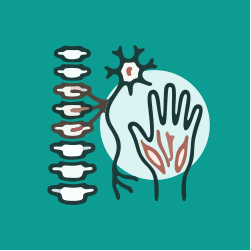
Motor neuron diseases (ALS, PLS)
Progressive neurological disorders that affect the nerve cells controlling voluntary muscle movement, leading to weakness and loss of function.
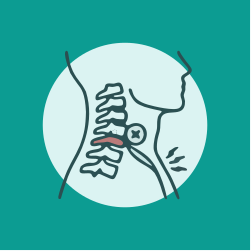
Cervical radiculopathy (neck pain)
A condition caused by irritation or compression of a nerve root in the neck, resulting in pain, numbness, or weakness radiating into the arm.
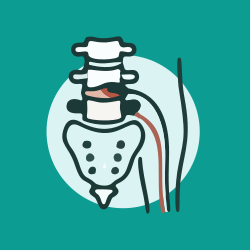
Lumbar and lumbosacral radiculopathy (low back pain, sciatica)
Nerve root compression in the lower spine that can cause back pain, leg pain, numbness, tingling, or weakness.
Brachial plexopathy / Parsonage-Turner syndrome
Disorders affecting the nerve network of the shoulder and arm, often causing severe pain followed by weakness.
Carpal tunnel syndrome
A common nerve entrapment condition caused by compression of the median nerve at the wrist, leading to hand numbness and weakness.
Ulnar neuropathy
Compression or irritation of the ulnar nerve that can cause numbness, tingling, and weakness in the ring and little fingers.
Radial neuropathy (wrist drop)
A condition affecting the radial nerve that can result in difficulty extending the wrist and fingers.
Diabetic polyneuropathy
A common complication of diabetes that damages peripheral nerves, causing numbness, tingling, pain, and balance difficulties.
Diabetic amyotrophy
A diabetic nerve disorder characterized by painful weakness and muscle wasting in the hips, thighs, or legs.
Foot drop (Peroneal neuropathy)
Weakness of the muscles that lift the foot, leading to difficulty walking and an increased risk of tripping.
CIDP (Chronic Inflammatory Demyelinating Polyneuropathy)
An autoimmune nerve disorder that causes progressive weakness, sensory loss, and impaired nerve function.
Guillain-Barré syndrome
A rapidly developing autoimmune condition in which the immune system attacks peripheral nerves, causing weakness and paralysis.
Myasthenia gravis
An autoimmune disorder that disrupts communication between nerves and muscles, resulting in fluctuating muscle weakness.
Myopathy
Myopathy is a group of muscle disorders that cause weakness and reduced muscle function due to problems within the muscle fibers themselves rather than the nerves.
Muscular dystrophy
Muscular dystrophy is a genetic group of diseases that lead to progressive muscle weakness and degeneration over time, affecting mobility and physical function.

Myotonia
A neuromuscular condition characterized by delayed muscle relaxation after voluntary contraction.
Memory Disorders
Conditions affecting memory, cognition, and thinking:
Alzheimer’s disease
The most common cause of dementia, characterized by progressive memory loss and cognitive decline.
Frontotemporal dementia
A neurodegenerative disorder affecting behavior, personality, language, and executive functioning.
Mild cognitive impairment (MCI)
A condition involving measurable cognitive decline that is greater than expected for age but does not significantly impair daily function.
Dementia with Lewy bodies
A form of dementia associated with abnormal protein deposits in the brain, causing cognitive changes, hallucinations, and movement symptoms.
Vascular dementia
A type of dementia caused by reduced blood flow to the brain, often related to strokes or vascular disease.
Migraine and Headache Disorders
Chronic migraine and headache disorders
Neurological conditions characterized by recurrent headaches that can significantly impact daily life and overall well-being.
Idiopathic intracranial hypertension (IIH)
A disorder involving increased pressure around the brain that can cause headaches and vision problems.
Spontaneous intracranial hypotension (SIH)
A condition caused by a cerebrospinal fluid leak that typically produces headaches that worsen when standing and improve when lying down.
Cerebrovascular Disease
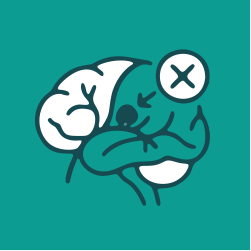
Stroke and transient ischemic attack (TIA)
Conditions caused by interrupted blood flow to the brain, resulting in temporary or permanent neurological deficits.
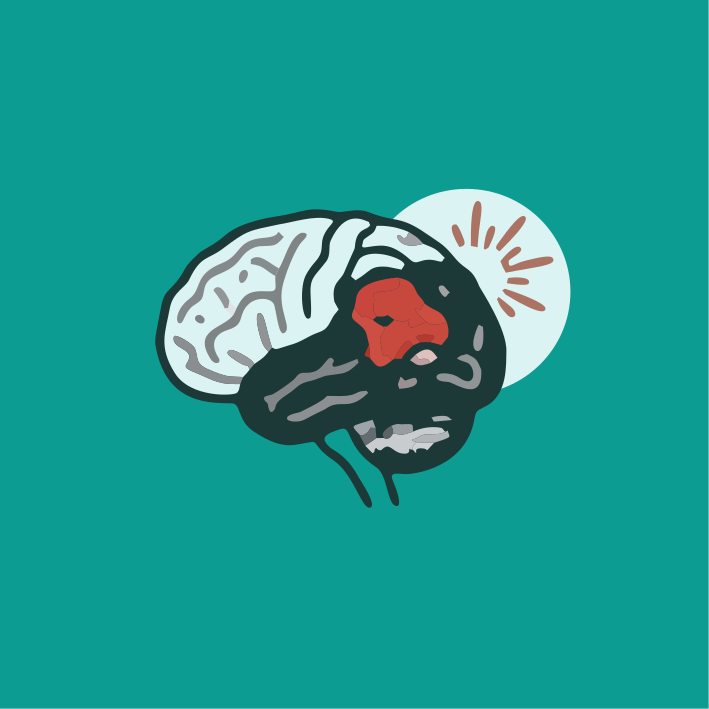
Brain bleed (intracranial hemorrhage)
Bleeding within or around the brain that can cause sudden neurological symptoms and requires urgent evaluation.
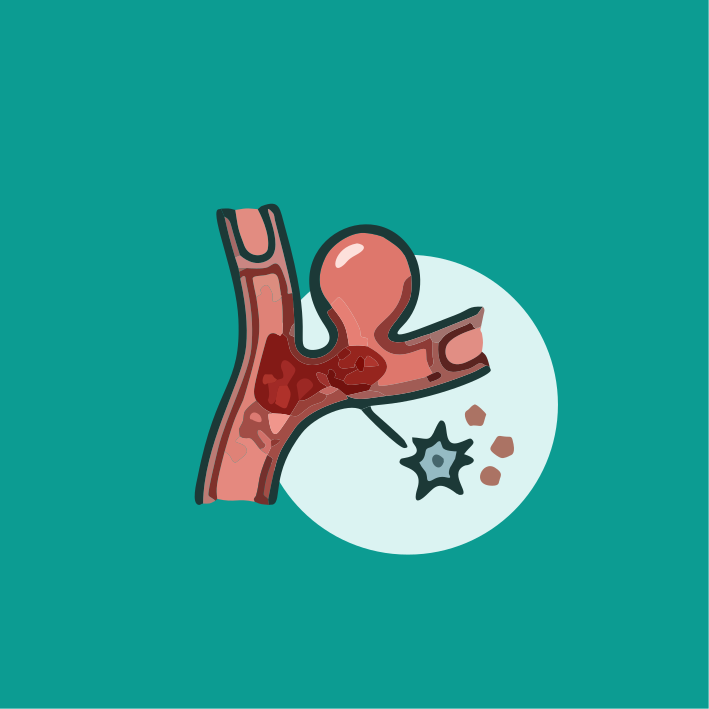
Cerebral aneurysm
A weakened area of a brain blood vessel that can enlarge over time and may rupture, causing life-threatening bleeding.
Movement Disorders
Conditions that affect movement, coordination, and muscle control:
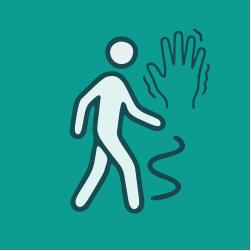
Parkinson’s disease
A progressive neurological disorder that affects movement, causing tremor, stiffness, slowed movement, and balance problems.
Essential tremor
A common movement disorder characterized by rhythmic shaking, most often affecting the hands.
Huntington’s disease
An inherited neurodegenerative disorder that causes involuntary movements, cognitive decline, and psychiatric symptoms.
Dyskinesia
Abnormal involuntary movements that may occur as a neurological condition or as a side effect of certain medications.
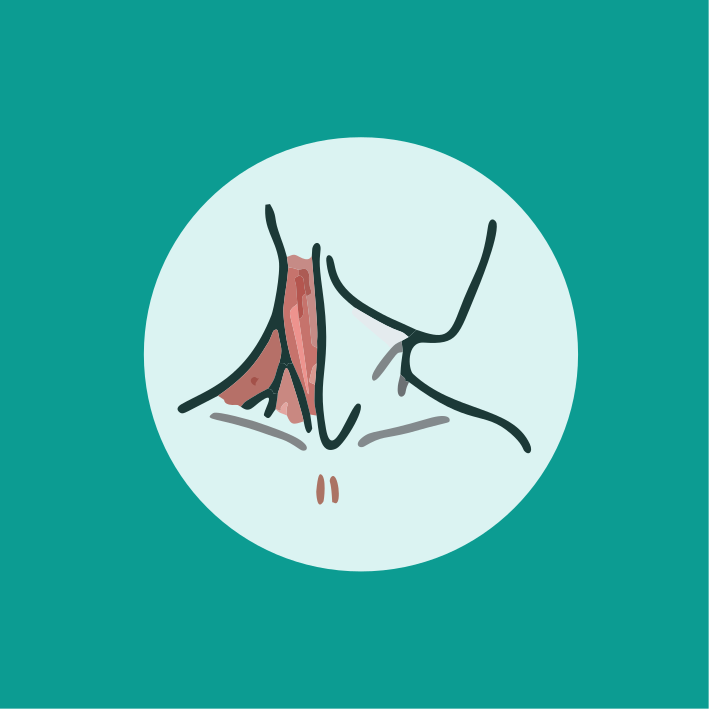
Cervical dystonia
A movement disorder causing involuntary neck muscle contractions that lead to abnormal head positioning and pain.
Restless leg syndrome
A neurological condition that creates an irresistible urge to move the legs, especially during periods of rest or at night.
Additional Conditions We Treat
Autoimmune encephalopathy
An immune-mediated condition that causes inflammation of the brain, leading to cognitive, psychiatric, and neurological symptoms.
Multiple sclerosis (MS)
A chronic autoimmune disease that damages the central nervous system, affecting movement, sensation, vision, and cognition.
Epilepsy and seizure disorders
Neurological conditions characterized by recurrent seizures caused by abnormal electrical activity in the brain.
Gait abnormalities
Changes in walking patterns that may result from neurological, muscular, vestibular, or balance-related conditions.
Normal pressure hydrocephalus (NPH)
A treatable neurological condition involving excess fluid in the brain that can cause walking difficulties, memory problems, and urinary symptoms.
Dizziness and vertigo
Conditions that create sensations of imbalance, lightheadedness, or spinning, often related to neurological or vestibular disorders.
Syncope (fainting)
A temporary loss of consciousness caused by reduced blood flow to the brain, requiring evaluation to determine the underlying cause.
Sports-related concussion
A mild traumatic brain injury caused by a blow or jolt to the head that temporarily affects brain function.
Brain tumors (GBM, astrocytoma, meningioma)
Abnormal growths within the brain that may cause neurological symptoms depending on their type, size, and location.
Neurofibromatosis
A genetic disorder that causes tumors to develop along nerves and can affect the skin, brain, spinal cord, and peripheral nervous system.
Diagnostic Approach
Diagnosis begins with a detailed neurological evaluation. Based on clinical findings, additional testing may be recommended to clarify the underlying cause.
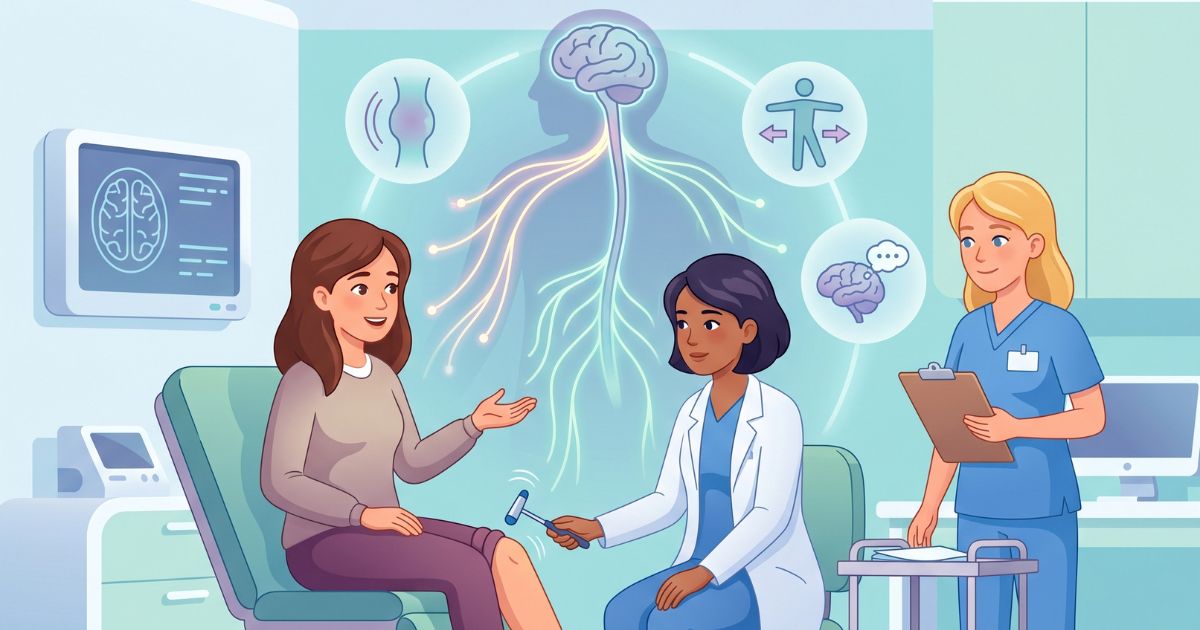
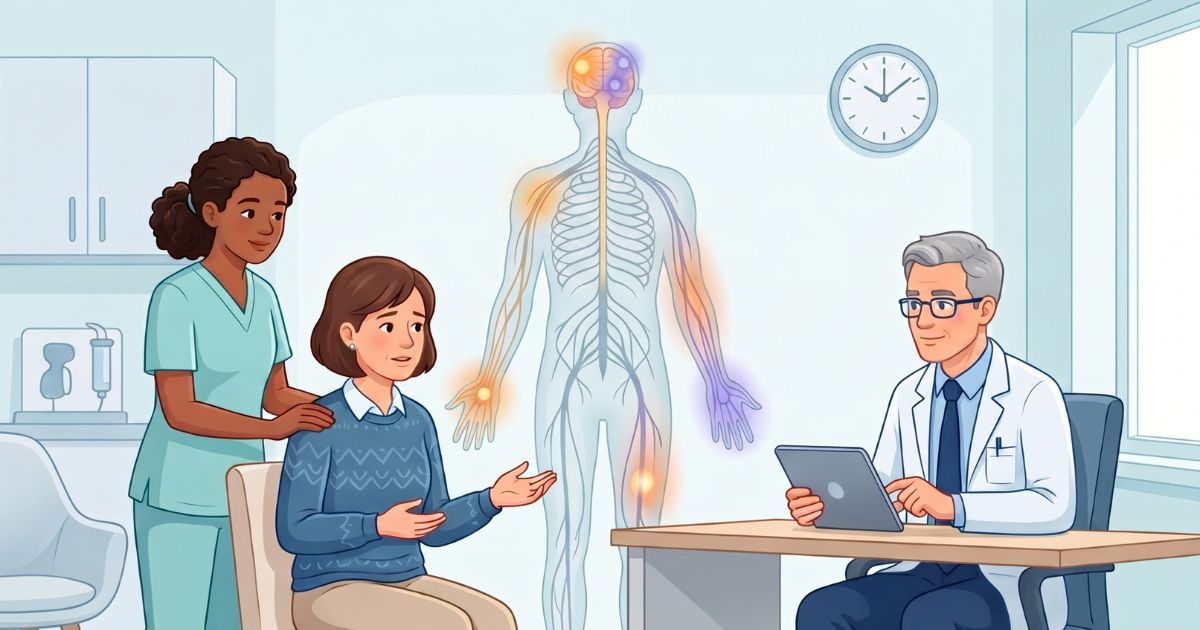
Symptoms Overview (When to Seek Help)
You should consider evaluation if you experience symptoms such as persistent headaches, numbness, weakness, memory changes, dizziness, or episodes of altered awareness. Early assessment can help prevent progression and guide treatment. Early evaluation and treatment usually lead to better results in resolution and improvement of symptoms by implementing targeted treatment
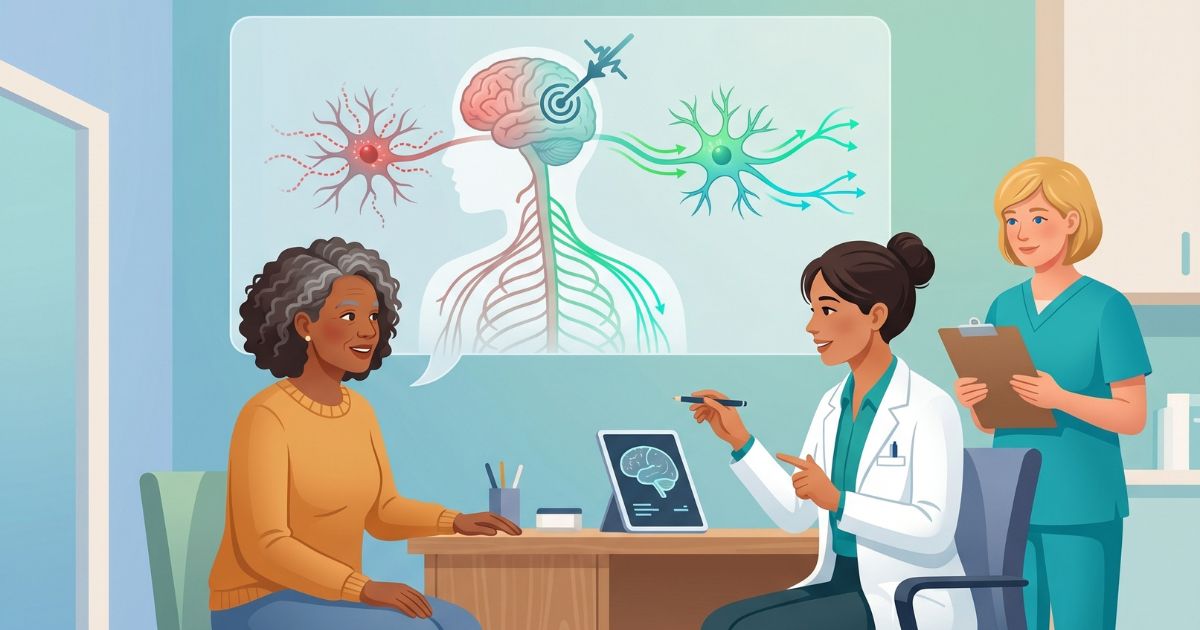
Our Treatment Philosophy
Our approach focuses on identifying the root cause of symptoms and developing a plan tailored to each patient. Treatment is based on clinical evidence and designed to improve both symptoms and overall function.
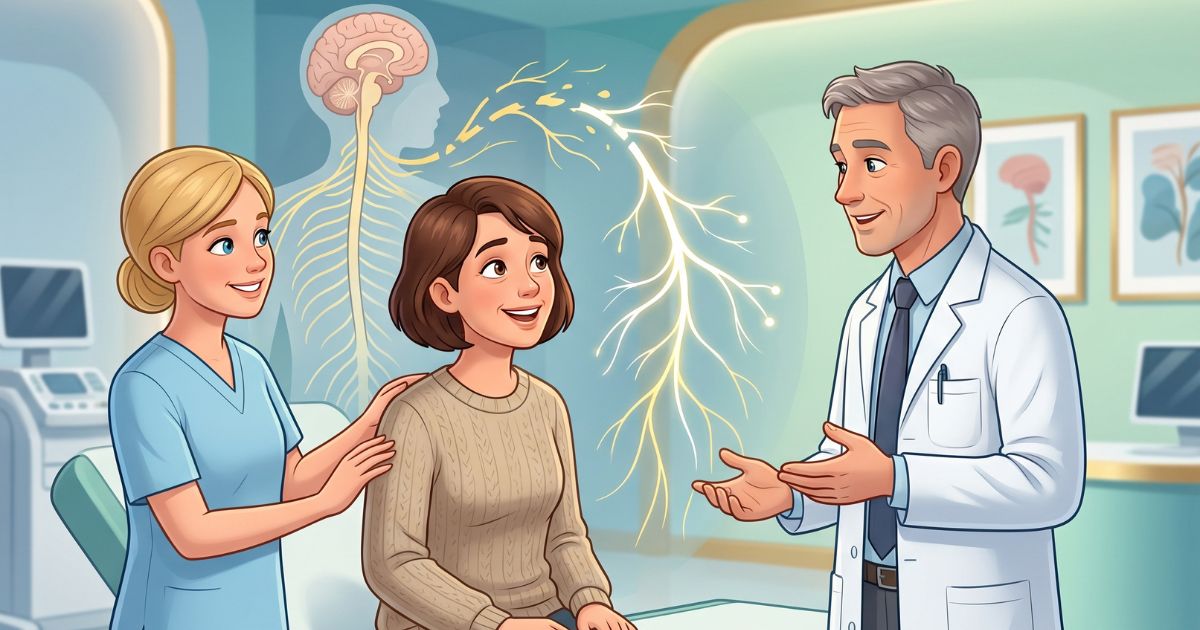
Why Early Diagnosis Matters
Early diagnosis allows for timely treatment, which can improve outcomes, prevent complications, and provide clarity for patients and families.
Our Value
Why Choose Us
We combine clinical expertise with a patient-focused approach to deliver care that’s precise and practical.
From the initial consultation through diagnosis and long-term management, our goal is to provide clear answers and structured treatment plans tailored to each patient. With on-site diagnostic testing, individualized care strategies, and a strong emphasis on communication and follow-up, we focus on achieving meaningful, long-term outcomes rather than short-term symptom relief.
Dr. Yassar Chakfe
Quadruple Board-Certified Neurologist & Neuromuscular Specialist
Dr. Yassar Chakfe is a quadruple board-certified neurologist, neuromuscular specialist, and clinical neurophysiologist with over three decades of experience in advanced neurological care. His background combines elite academic training, extensive clinical expertise, and a strong foundation in neuroscience research, allowing him to deliver highly precise and comprehensive evaluations.
He is widely recognized for his expertise in complex neurological conditions, particularly in cases that are difficult to diagnose or require advanced management. As a result, Dr. Chakfe is frequently consulted and receives referrals from other physicians, clinics, and hospital systems for second opinions and specialized care.
His approach emphasizes accurate diagnosis, individualized treatment planning, and clear communication, ensuring that each patient receives thorough, evidence-based care tailored to their specific condition.
our service Areas
Serving Patients Across Central Florida
We see patients from across Central Florida, including Orange, Seminole, Osceola, Lake, Polk, and Volusia counties.
Kissimmee
Winter Park
Clermont
Lakeland
Sanford
Lake Mary
Melbourne
and surrounding areas.
Frequently Asked Questions
Common Questions Answered
Do I need a referral to be seen?
This depends on your insurance plan, but many patients can schedule directly.
What conditions do you specialize in?
We treat a wide range of neurological conditions, from common to complex.
How are conditions diagnosed?
Through a combination of clinical evaluation and advanced diagnostic testing.
Can multiple conditions be treated at once?
Yes, we create comprehensive care plans tailored to your needs.

Get the Care You Deserve
If you’re still searching for answers or not improving, it may be time for a more precise approach.