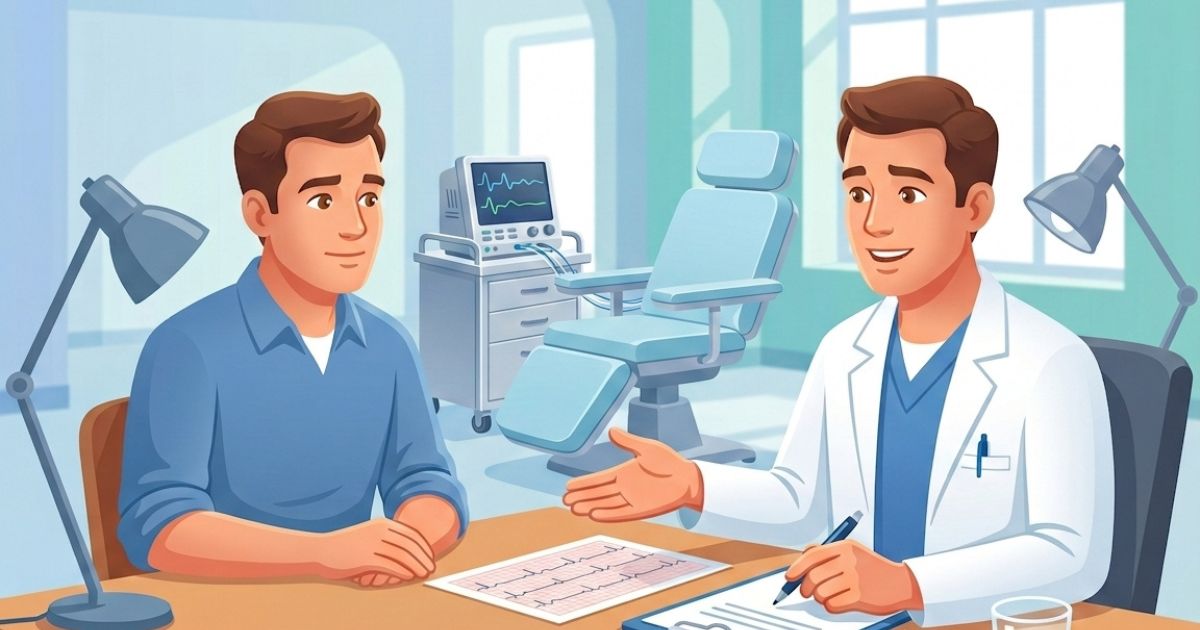
Work-related injuries can affect the muscles, nerves, joints, spine, head, and overall physical function. These injuries may make it difficult to work, walk, lift, type, stand, concentrate, sleep, or perform daily activities. Some workplace injuries happen suddenly after an accident, while others develop gradually from repetitive strain, poor ergonomics, heavy lifting, prolonged postures, or repeated physical stress.
At Brain & Nerve Center, we provide comprehensive evaluation and care for patients with work-related injuries affecting the nervous system, muscles, spine, and functional ability. Our goal is to identify the source of symptoms, guide appropriate treatment, support recovery, and help patients return to daily life and work responsibilities as safely as possible.
Work-related injuries should not be ignored when symptoms persist, worsen, or interfere with function. Early evaluation can help prevent long-term pain, nerve damage, weakness, reduced mobility, and prolonged time away from work.
Overview
Workplace injuries can occur in many different settings, including offices, hospitals, construction sites, warehouses, factories, delivery routes, schools, and service-based jobs. The type of injury often depends on the physical demands of the job, posture, repetitive tasks, equipment use, lifting requirements, and safety conditions.
Some occupational injuries are acute. These happen suddenly, such as after a fall, impact, lifting injury, accident, or head trauma. Other injuries are chronic and develop over time. These may result from repetitive movements, awkward positioning, prolonged sitting or standing, vibration exposure, or ongoing strain on the same muscles, tendons, joints, or nerves.
Work-related injuries can affect many parts of the body, but neurological evaluation is especially important when symptoms include numbness, tingling, weakness, radiating pain, headaches, dizziness, balance problems, memory changes, or reduced coordination.
A careful evaluation helps determine whether symptoms are coming from the spine, peripheral nerves, muscles, joints, tendons, or another neurological source.
Common Types of Workplace Injuries
Occupational injuries can involve different body systems depending on the type of work and mechanism of injury. Some affect soft tissue, while others involve the spine, nerves, brain, or joints.
Common types of workplace injuries include:
- Repetitive strain injuries
- Carpal tunnel syndrome
- Ulnar neuropathy
- Radial neuropathy
- Neck and back injuries
- Cervical or lumbar radiculopathy
- Nerve compression or neuropathy
- Muscle strains
- Joint sprains
- Shoulder, elbow, wrist, hip, knee, or ankle injuries
- Head injuries and concussions
- Balance or coordination problems after injury
- Chronic pain after workplace trauma
Repetitive strain injuries may affect office workers, healthcare workers, factory workers, drivers, musicians, technicians, and anyone performing repeated motions for long periods. Nerve compression injuries may occur from posture, repetitive use, direct pressure, swelling, or inflammation.
Back and neck injuries are also common and may cause pain that stays local or radiates into the arms or legs. When pain travels with numbness, tingling, or weakness, nerve involvement may be present.
Causes and Risk Factors
Work-related injuries can result from sudden accidents, repetitive strain, poor body mechanics, or prolonged exposure to physical stress. In many cases, symptoms develop from a combination of factors rather than one single event.
Common contributing factors include:
- Repetitive tasks
- Poor ergonomics
- Heavy lifting
- Bending, twisting, or reaching
- Prolonged sitting
- Prolonged standing
- Awkward posture
- Forceful gripping or tool use
- Vibration exposure
- Overhead work
- Inadequate rest breaks
- Slips, trips, or falls
- Inadequate safety measures
A person’s risk may also increase if they already have arthritis, diabetes, neuropathy, prior injuries, poor conditioning, obesity, or other health conditions that affect strength, mobility, or nerve function.
Identifying the contributing work factors is an important part of treatment. If the same strain continues without adjustment, symptoms may persist or return after treatment.
High-Risk Occupations
Work-related injuries can happen in any occupation, but some jobs carry a higher risk because of repetitive motion, lifting demands, prolonged posture, vibration, or physical hazards.
Higher-risk occupations may include:
- Construction and manual labor
- Healthcare and caregiving
- Warehouse and manufacturing work
- Office and computer-based jobs
- Transportation and delivery services
- Food service and hospitality
- Cleaning and maintenance work
- Factory and assembly line jobs
- Retail and stocking positions
- Jobs requiring repetitive tool use
- Jobs requiring prolonged driving
Office-based work can still lead to injury. Prolonged computer use, poor monitor height, unsupported wrists, awkward neck posture, and repetitive keyboard or mouse use may contribute to neck pain, shoulder pain, wrist pain, headaches, or nerve compression symptoms.
Manual labor and caregiving jobs may increase the risk of back injuries, shoulder strain, neck injuries, falls, and repetitive lifting injuries.
Symptoms
Symptoms vary depending on the type of injury, the body area involved, and whether nerves, muscles, joints, or the spine are affected. Some symptoms begin immediately after an injury, while others appear gradually.
Common symptoms include:
- Neck pain
- Back pain
- Shoulder, arm, wrist, hip, knee, or leg pain
- Numbness or tingling
- Weakness
- Burning or radiating pain
- Reduced range of motion
- Muscle spasms
- Headaches after injury
- Dizziness or balance changes
- Difficulty gripping or lifting
- Trouble typing, writing, or using tools
- Difficulty walking, standing, or climbing stairs
- Reduced endurance
- Difficulty performing work tasks
Nerve-related symptoms may include tingling, numbness, shooting pain, burning, weakness, or loss of coordination. These symptoms should be evaluated, especially when they persist, spread, or interfere with work and daily activities.
Head injuries may cause headache, dizziness, light sensitivity, memory difficulty, concentration problems, nausea, fatigue, or sleep changes. These symptoms may suggest concussion or another neurological concern and should be assessed carefully.
When to Seek Medical Attention
Medical evaluation is recommended when symptoms persist, worsen, or interfere with job duties, sleep, mobility, or daily function. Early care can help identify the cause and prevent long-term problems.
You should consider scheduling an evaluation if you have:
- Pain that does not improve with rest
- Numbness, tingling, or burning sensations
- Weakness in the arms, hands, legs, or feet
- Pain radiating from the neck into the arm
- Pain radiating from the back into the leg
- Difficulty walking or maintaining balance
- Trouble gripping, lifting, typing, or using tools
- Reduced range of motion after injury
- Headache, dizziness, or memory issues after head trauma
- Symptoms that worsen during or after work
- Symptoms that interfere with returning to work
Urgent medical care may be needed for severe injury, loss of consciousness, sudden weakness, chest pain, severe headache, new confusion, loss of bladder or bowel control, major trauma, or rapidly worsening neurological symptoms.
Acute and Chronic Occupational Injuries
Work-related injuries may be acute or chronic. Understanding the difference helps guide treatment and recovery planning.
Acute injuries happen suddenly. These may occur after a fall, lifting accident, impact, slip, vehicle incident, equipment injury, or sudden twisting movement. Acute injuries may involve muscle strains, ligament sprains, disc injuries, fractures, nerve trauma, or concussion.
Chronic injuries develop gradually over time. These often result from repetitive movement, prolonged posture, ongoing strain, or repeated exposure to the same physical stress. Examples include carpal tunnel syndrome, tendon irritation, chronic neck pain, low back pain, ulnar neuropathy, and repetitive strain injuries.
Both acute and chronic injuries deserve careful evaluation. Acute injuries may require prompt imaging or urgent care, while chronic injuries may require ergonomic changes, therapy, nerve testing, and long-term prevention strategies.
Diagnostic Approach
Diagnosis begins with a detailed review of symptoms, job duties, injury history, medical history, and physical demands. Understanding how the injury happened and what movements worsen symptoms helps identify the source of the problem.
The evaluation may include questions about:
- When symptoms began
- Whether there was a specific injury event
- Job tasks that worsen symptoms
- Repetitive movements or postures
- Lifting, bending, pushing, pulling, or overhead work
- Numbness, tingling, weakness, or radiating pain
- Prior injuries or medical conditions
- Work restrictions or functional limitations
A physical and neurological examination may assess strength, reflexes, sensation, coordination, range of motion, posture, gait, balance, nerve irritation signs, and functional movement. The goal is to determine whether symptoms are related to muscle strain, joint injury, nerve compression, spine disease, concussion, or another neurological condition.
A structured diagnostic approach helps guide treatment and return-to-work planning.
Tests Used
Testing depends on the symptoms, examination findings, injury type, and suspected diagnosis. Not every patient needs advanced testing, but certain symptoms may require imaging or nerve studies.
Diagnostic testing may include:
- Clinical examination
- Neurological examination
- X-rays when bone or joint injury is suspected
- MRI of the spine, shoulder, or other affected areas when needed
- CT scan in selected cases
- EMG and nerve conduction studies when nerve involvement is suspected
- Balance or cognitive screening after head injury
- Functional assessment
- Laboratory testing when other medical contributors are possible
EMG and nerve conduction studies may be useful when symptoms suggest carpal tunnel syndrome, ulnar neuropathy, radiculopathy, plexopathy, peripheral neuropathy, or nerve injury. These tests help assess nerve function and localize where the problem may be occurring.
Imaging may be recommended when there is trauma, persistent pain, weakness, suspected disc injury, structural concern, or symptoms that do not improve with initial care.
Treatment Options
Treatment is individualized based on the type and severity of the injury, the patient’s job demands, and whether nerves, muscles, joints, spine, or brain function are involved. The goal is to reduce pain, restore function, improve safety, and support a safe return to activity.
Treatment may include:
- Pain management
- Activity modification
- Physical therapy
- Occupational therapy
- Ergonomic changes
- Medication when appropriate
- Bracing or splinting in selected cases
- Nerve-related treatment when indicated
- Concussion management when needed
- Return-to-work planning
- Specialist referral when appropriate
Treatment should be practical and focused on function. For many patients, recovery depends not only on reducing pain but also on restoring strength, mobility, endurance, coordination, and confidence.
Pain Management
Pain management may include medications, targeted therapies, supportive devices, and lifestyle adjustments. The best plan depends on the diagnosis and the patient’s medical history.
Pain management may involve:
- Anti-inflammatory medications when appropriate
- Muscle relaxants in selected cases
- Neuropathic pain medications when nerve pain is present
- Topical treatments
- Bracing or splinting when helpful
- Heat or ice guidance depending on injury stage
- Injections or interventional referral in selected cases
- Education about safe activity and pacing
Pain management should support recovery, not simply mask symptoms. When pain is related to nerve compression, spine injury, or persistent functional limitation, further evaluation may be needed.
Rehabilitation and Physical Therapy
Physical therapy plays a key role in recovery from many work-related injuries. Therapy helps restore strength, flexibility, posture, balance, endurance, range of motion, and safe movement patterns.
Rehabilitation may focus on:
- Strengthening
- Stretching and flexibility
- Posture correction
- Core stability
- Gait and balance training
- Neck and back mechanics
- Shoulder and upper-limb mobility
- Hand and grip function
- Work-simulation exercises
- Fall prevention
- Safe lifting and body mechanics
Occupational therapy may be helpful when injuries affect daily tasks, hand function, fine motor control, tool use, writing, typing, dressing, or job-specific activities.
Rehabilitation should be progressive and tailored to the patient’s condition. Returning too quickly to full activity may worsen symptoms, while avoiding movement for too long may lead to stiffness, weakness, and deconditioning.
Return-to-Work Planning
A structured return-to-work plan helps patients transition safely back to job duties. The plan depends on the injury, recovery progress, physical demands of the job, and risk of re-injury.
Return-to-work planning may include:
- Temporary activity modifications
- Gradual increase in duties
- Lifting restrictions when needed
- Reduced repetitive tasks
- Modified work schedule
- Ergonomic adjustments
- Avoidance of specific aggravating activities
- Therapy-guided functional progression
- Communication with appropriate parties when authorized
The goal is to help patients return to work safely while protecting recovery. In some cases, temporary modified duty may be appropriate before full-duty return.
Return-to-work recommendations should be based on medical findings, functional ability, and job demands.
Functional Capacity Evaluation
A functional capacity evaluation, often called an FCE, may be used in some cases to assess a person’s ability to perform work-related tasks. This type of evaluation can help measure strength, endurance, lifting ability, range of motion, positional tolerance, and functional limitations.
An FCE may be helpful when:
- Recovery has reached a stable point
- Work restrictions need clarification
- Job demands are physically specific
- There is uncertainty about safe return to work
- Long-term limitations need assessment
- Functional progress needs objective measurement
The results may help guide therapy, work restrictions, modified duty, or return-to-work decisions. Not every patient needs an FCE, but it can be useful when functional ability and job requirements need to be matched carefully.
Workplace Ergonomics and Prevention
Workplace ergonomics focuses on designing tasks, tools, and workstations to better fit the worker. Good ergonomics can reduce strain on muscles, nerves, joints, and the spine.
Prevention strategies may include:
- Adjusting chair, desk, keyboard, and monitor height
- Keeping wrists in a neutral position
- Supporting the lower back
- Taking scheduled movement breaks
- Using proper lifting technique
- Reducing repetitive forceful gripping
- Avoiding prolonged awkward posture
- Rotating tasks when possible
- Using assistive equipment for heavy lifting
- Keeping frequently used items within easy reach
- Wearing proper footwear for standing jobs
Ergonomic changes are especially important for repetitive strain injuries, computer-related symptoms, neck pain, back pain, and nerve compression syndromes.
Prevention is strongest when work habits, workstation setup, body mechanics, and recovery time are all addressed together.
Long-Term Management
Some work-related injuries resolve with short-term treatment, while others require ongoing care. Long-term management may be needed when symptoms are chronic, nerve-related, recurrent, or connected to ongoing job demands.
Long-term care may include:
- Follow-up examinations
- Therapy progression
- Medication review
- Repeat testing when needed
- Ergonomic adjustment
- Work restriction updates
- Pain management planning
- Monitoring nerve recovery
- Prevention of re-injury
- Coordination with other specialists when appropriate
The goal of long-term care is to restore function, reduce pain, prevent worsening, and help patients maintain safe participation in work and daily life.
Why Early Treatment Matters
Early treatment helps identify the cause of symptoms before they become chronic or disabling. It can also reduce time away from work and prevent avoidable complications.
Early care can help:
- Identify nerve, muscle, joint, spine, or head injury
- Reduce pain and inflammation
- Prevent worsening weakness or numbness
- Start therapy before stiffness or deconditioning develops
- Improve return-to-work planning
- Reduce risk of chronic pain
- Support safer movement and job performance
- Prevent re-injury through ergonomic guidance
Prompt evaluation is especially important when symptoms include numbness, tingling, weakness, radiating pain, balance problems, or head injury symptoms.
Why Choose Brain & Nerve Center
Brain & Nerve Center provides comprehensive evaluation and management of work-related injuries with a focus on recovery, function, and safe return to daily activity. We evaluate symptoms involving the nerves, muscles, spine, head, and movement system to identify the source of pain or dysfunction.
Our approach combines detailed clinical assessment, neurological examination, diagnostic testing when appropriate, rehabilitation planning, and return-to-work strategies tailored to each patient’s needs.
Patients choose Brain & Nerve Center for:
- Evaluation of work-related nerve symptoms
- Assessment of neck and back injuries
- Diagnosis of carpal tunnel syndrome and other nerve compression disorders
- EMG and nerve conduction studies when appropriate
- Evaluation after head injury or concussion symptoms
- Functional recovery planning
- Physical and occupational therapy coordination
- Return-to-work guidance
- Long-term support for chronic or recurrent symptoms
Our goal is to help patients reduce pain, regain function, prevent long-term complications, and return to work and daily activities as safely as possible.