Feeling physically tired after a long day or an intense workout is completely normal. But true muscle weakness is different from everyday fatigue. It involves a noticeable loss of strength, when muscles don’t respond the way they should, even with effort.
While occasional weakness can be harmless, persistent or unexplained muscle weakness may be a sign of an underlying neurological or muscular condition. Recognizing the difference is key to knowing when to seek medical attention.
The Difference Between Fatigue and True Muscle Weakness
Fatigue is a general sense of tiredness or lack of energy. You may feel drained, but your muscles still function normally when you push through.
Muscle weakness, on the other hand, is a measurable reduction in strength. Tasks that were once easy, like climbing stairs, lifting objects, or even holding items can become difficult or impossible. This type of weakness often does not improve with rest alone.
Understanding this distinction helps identify when symptoms go beyond normal tiredness.
Common Causes of Temporary Weakness
Not all muscle weakness is serious. Short-term weakness can occur due to:
- Overexertion or intense physical activity
- Dehydration
- Illness or infection
- Poor nutrition
- Lack of sleep
In these cases, strength typically returns once the body recovers and rehydrates.
When Muscle Weakness May Signal Something More
Persistent or worsening weakness should not be ignored. Warning signs include:
- Difficulty lifting arms or standing from a seated position
- Weakness that affects one side of the body
- Progressive loss of strength over time
- Muscle twitching or cramping
- Difficulty swallowing or speaking
- Loss of coordination or balance
These symptoms may indicate involvement of the nerves, muscles, or neuromuscular junction—the point where nerves communicate with muscles.
Neurological Causes of Muscle Weakness
Muscle weakness can sometimes originate from the nervous system rather than the muscles themselves.
Conditions such as Multiple sclerosis can disrupt communication between the brain and muscles, leading to weakness, stiffness, and coordination problems.
Similarly, nerve damage seen in Peripheral neuropathy can impair signals to the muscles, resulting in weakness, especially in the hands and feet.
Neuromuscular and Muscle Disorders
Some conditions directly affect the muscles or the connection between nerves and muscles.
For example, Myasthenia gravis causes weakness that typically worsens with activity and improves with rest. It often affects muscles involved in eye movement, facial expression, and swallowing.
Other conditions, such as Muscular dystrophy, lead to gradual muscle degeneration over time.
Each of these disorders presents differently, but persistent weakness is a common feature.
How Doctors Evaluate Muscle Weakness
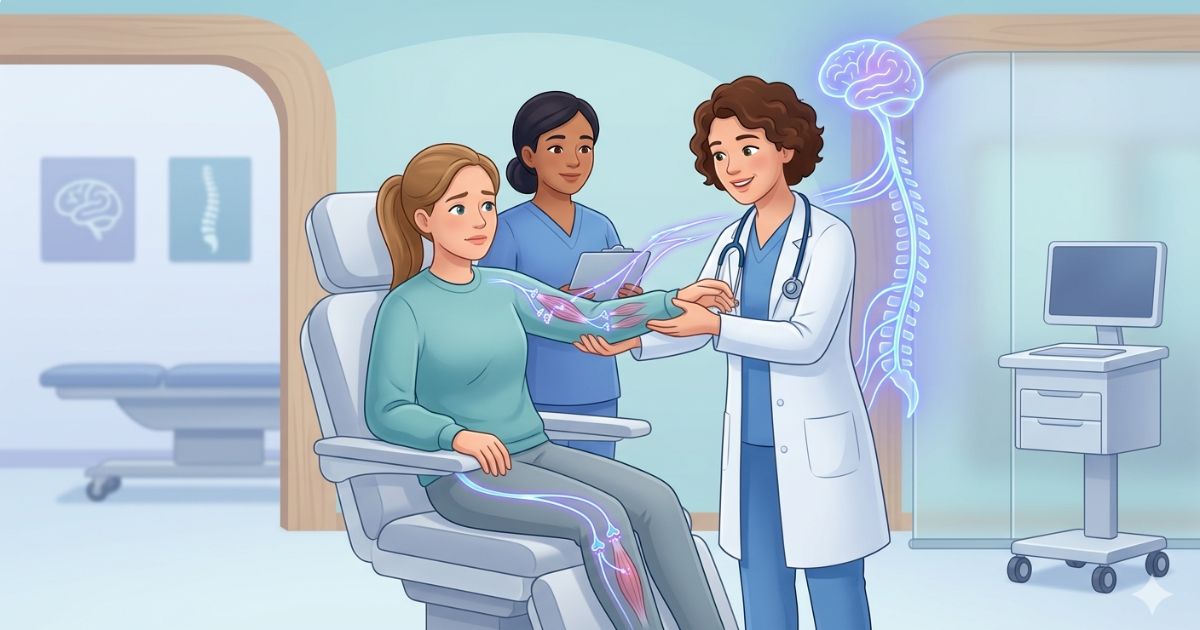
A medical evaluation begins with a detailed history and physical examination to assess strength, reflexes, and coordination. Doctors may ask about the onset, progression, and pattern of weakness, as well as any associated symptoms.
Diagnostic testing may include blood work, imaging studies, and specialized nerve and muscle tests. One commonly used tool is Electromyography (EMG), which helps determine whether the issue originates in the muscles or the nerves.
The goal is to identify the underlying cause and guide appropriate treatment.
Treatment and Management
Treatment depends entirely on the cause of the muscle weakness. In some cases, addressing an underlying issue, such as correcting a nutritional deficiency or managing a chronic condition, can improve strength.
Other conditions may require medications, physical therapy, or long-term management strategies. Early intervention often leads to better outcomes, especially in progressive neurological or muscular disorders.
Rehabilitation programs can also play an important role in maintaining mobility, strength, and independence.
When to Seek Medical Attention
You should seek medical evaluation if muscle weakness:
- Persists beyond a few days without improvement
- Gradually worsens over time
- Interferes with daily activities
- Occurs suddenly or affects one side of the body
- Is accompanied by speech, vision, or swallowing difficulties
Sudden weakness, especially on one side of the body, may be a medical emergency and should be treated immediately.
Summary
Muscle weakness is not always just a sign of being tired. When it becomes persistent, progressive, or unexplained, it may point to an underlying neurological or muscular condition.
Paying attention to how your body responds and recognizing when something feels different, can lead to earlier diagnosis and more effective treatment. If weakness is affecting your daily life, seeking medical advice is an important step toward understanding the cause and finding the right care.