
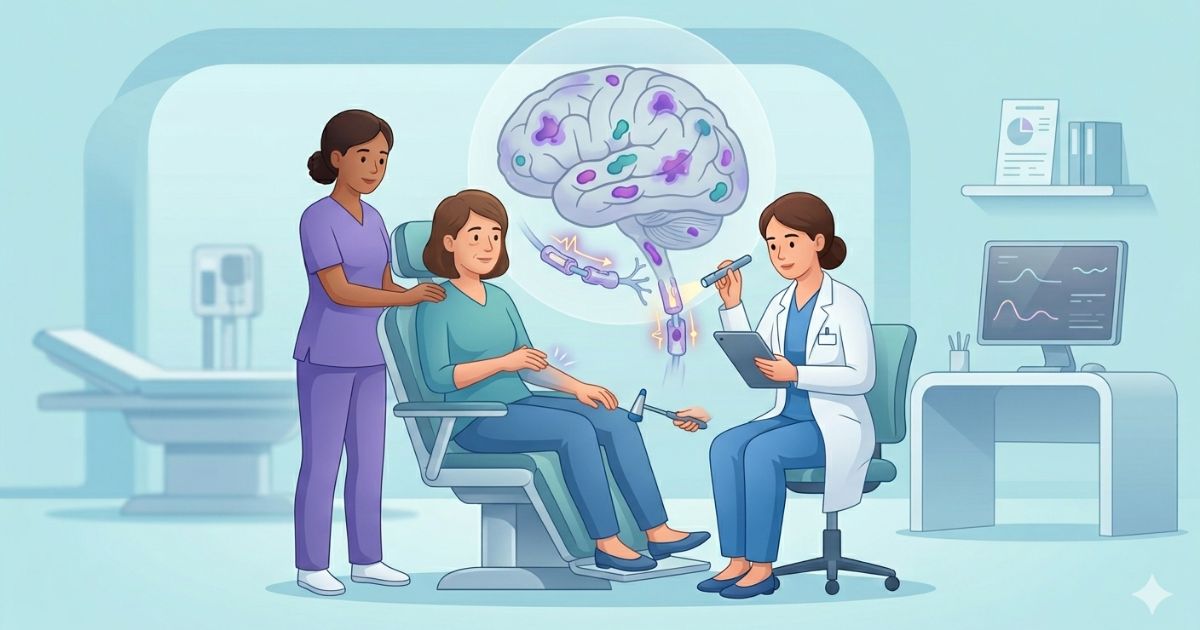
Multiple sclerosis (MS) is a chronic neurological condition that affects the central nervous system, including the brain and spinal cord. It can vary widely from person to person, both in symptoms and progression, which is why early recognition and proper diagnosis are so important.
Understanding MS helps patients and families recognize early warning signs and seek timely medical care, which can significantly improve long-term outcomes.
What Is Multiple Sclerosis?
Multiple sclerosis is an autoimmune condition in which the immune system mistakenly attacks the protective covering of nerve fibers, known as myelin. This damage disrupts communication between the brain and the rest of the body.
Over time, this disruption can lead to nerve deterioration or permanent damage, affecting movement, sensation, and cognitive function.
MS is considered a highly variable disease, some people experience mild symptoms with long periods of stability, while others may have more rapid progression.
Early Signs of MS
Early symptoms of multiple sclerosis can be subtle and are often overlooked or mistaken for other conditions.
- Numbness or tingling in the limbs or face
- Vision problems such as blurred or double vision
- Fatigue that is disproportionate to activity level
- Muscle weakness or stiffness
- Balance issues or dizziness
- Difficulty with coordination
These symptoms may come and go in the early stages, which can delay diagnosis.
What Causes Multiple Sclerosis?
The exact cause of MS is still not fully understood, but it is believed to involve a combination of:
- Genetic susceptibility
- Environmental factors (such as vitamin D deficiency or viral exposure)
- Immune system dysfunction
MS is not contagious, and it is not directly inherited, though having a family history may slightly increase risk.
How Is MS Diagnosed?
Diagnosing MS can be complex because there is no single test that confirms it. Instead, doctors rely on a combination of findings, including neurological examination, patient history and symptom patterns, MRI scans of the brain and spinal cord, spinal fluid analysis (lumbar puncture), and evoked potential tests to measure nerve response.
The goal of diagnosis is to confirm that nerve damage has occurred in multiple areas of the central nervous system over time.
Types of Multiple Sclerosis
MS can present in different forms:
Relapsing-remitting MS (RRMS): Periods of flare-ups followed by recovery
Secondary progressive MS (SPMS): Gradual worsening after initial relapsing phase
Primary progressive MS (PPMS): Steady progression without clear relapses
Understanding the type of MS helps guide treatment decisions.
Treatment and Management
While there is currently no cure for MS, treatments focus on slowing disease progression, managing symptoms, and improving quality of life.
Disease-modifying therapies
These medications help reduce relapse frequency and slow progression.
Symptom management
- Medications for muscle spasticity or pain
- Fatigue management strategies
- Physical therapy to improve mobility and strength
Lifestyle support
- Regular exercise tailored to ability
- Balanced nutrition
- Stress management
- Adequate sleep
Early treatment can make a significant difference in long-term outcomes.
Living With MS
Living with MS often requires ongoing adjustment. Symptoms can fluctuate, meaning that flexibility and support systems are essential. Many people with MS continue to work, travel, and live full lives with the right combination of treatment and lifestyle adaptation.
Support from healthcare professionals, family, and patient communities can also play a major role in maintaining emotional well-being.
When to Seek Medical Advice
You should consider medical evaluation if you experience:
- Persistent numbness or weakness
- Vision disturbances that don’t resolve quickly
- Repeated episodes of unexplained fatigue or balance problems
- Neurological symptoms that come and go without explanation
Early diagnosis allows earlier intervention, which may help slow disease progression and improve quality of life.
Final Thoughts
Multiple sclerosis is a complex condition, but increased awareness and advances in diagnosis and treatment have significantly improved outcomes in recent years. Recognizing early symptoms and seeking timely neurological evaluation can make a meaningful difference in managing the disease effectively.