
Migraines affect millions of people worldwide and are far more than just severe headaches. They are a complex neurological condition that can cause intense head pain, nausea, sensitivity to light and sound, visual disturbances, and significant disruption to daily life. For many years, treatment options were limited, leaving countless patients struggling to find effective relief.
Fortunately, migraine care has advanced considerably in recent years. New therapies, improved understanding of migraine mechanisms, and more personalized treatment approaches are transforming how this condition is managed. These breakthroughs are giving patients more options and better outcomes than ever before.
A Better Understanding of Migraine Biology
One of the biggest advances in migraine treatment has come from a deeper understanding of what causes migraines in the first place.
For decades, migraines were primarily thought to be a problem involving blood vessels. While blood flow changes can play a role, researchers now know that migraines are closely linked to complex interactions between nerves, brain pathways, and chemical messengers.
This improved understanding has allowed scientists to develop therapies that target migraine-specific mechanisms rather than simply treating pain after it occurs.
As a result, modern treatments are becoming more precise and often more effective than traditional approaches.
The Rise of CGRP-Targeted Therapies
One of the most significant breakthroughs in migraine care involves a molecule called calcitonin gene-related peptide, commonly known as CGRP.
Researchers discovered that CGRP plays a major role in migraine attacks by contributing to pain signaling and inflammation within the nervous system. This discovery led to the development of medications specifically designed to block CGRP activity.
These therapies represent a major shift in migraine treatment because they target an underlying biological pathway associated with migraine rather than simply masking symptoms.
For many individuals with Migraine, CGRP-targeted treatments have reduced the number of migraine days experienced each month and improved overall quality of life.
New Preventive Treatment Options
Historically, many preventive migraine medications were originally developed for other conditions, such as high blood pressure, depression, or epilepsy. While these medications helped some patients, they were not specifically designed for migraine prevention.
Today's newer therapies are changing that. Migraine-specific preventive treatments are giving healthcare providers additional tools to help reduce attack frequency and severity.
The availability of multiple preventive options means treatment plans can be better tailored to each patient's needs, medical history, and response to therapy.
This personalized approach is helping more people find effective long-term management strategies.
Advances in Acute Migraine Treatment
Preventing migraines is important, but patients also need effective relief when attacks occur.
Recent advances have led to new medications that can stop migraine symptoms after they begin. These treatments offer alternatives for individuals who cannot tolerate older medications or who have not achieved sufficient relief from traditional options.
Many of these newer therapies are designed to target migraine pathways more specifically, potentially reducing side effects while providing effective symptom control.
The growing variety of acute treatment options allows clinicians to customize care based on individual patient needs and migraine patterns.
Botox and Chronic Migraine Management
Another important development in migraine therapy is the use of Botox for chronic migraine.
Botox is approved for adults who experience frequent migraine headaches and has become an established treatment option for many patients whose migraines significantly impact daily life.
The treatment involves injections into specific areas around the head and neck. By affecting pain-related nerve pathways, Botox can help reduce both the frequency and severity of migraine attacks.
For some patients, this therapy has provided meaningful improvement when other preventive treatments have been unsuccessful.
Neuromodulation and Device-Based Therapies
Technology is also playing an increasingly important role in migraine care.
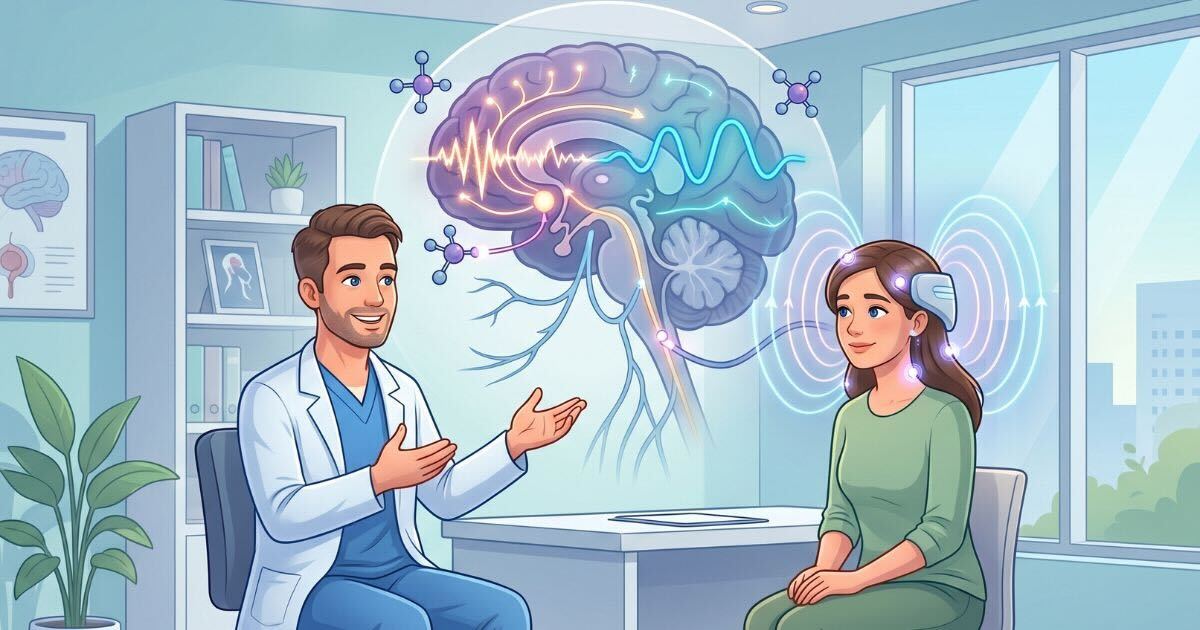
Neuromodulation devices use electrical or magnetic stimulation to influence nerve activity involved in migraine attacks. These devices are generally non-invasive and may be used either to prevent migraines or to treat symptoms during an attack.
For individuals seeking alternatives to medication or additional treatment options, neuromodulation therapies represent an exciting area of development.
While not appropriate for every patient, they offer another pathway toward migraine management and continue to evolve through ongoing research.
Personalized Migraine Care
One of the most promising trends in modern migraine treatment is the move toward personalized care.
Healthcare providers now have access to a wider range of therapies than ever before. Rather than relying on a single treatment approach, neurologists can often combine medications, lifestyle strategies, and preventive therapies to create individualized treatment plans.
Factors such as migraine frequency, symptom patterns, triggers, medical history, and treatment goals all help guide these decisions.
This personalized approach increases the likelihood of finding an effective strategy for each patient.
The Importance of Lifestyle and Trigger Management
While medical advances are creating new treatment opportunities, lifestyle factors remain an important part of migraine management.
Many patients benefit from identifying and reducing triggers such as:
- Sleep disruption
- Stress
- Dehydration
- Skipped meals
- Certain foods or beverages
- Hormonal fluctuations
Combining modern therapies with healthy lifestyle habits often produces the best results and helps reduce the overall burden of migraine attacks.
What the Future May Hold
Migraine research continues to advance rapidly. Scientists are exploring new drug targets, genetic influences, improved diagnostic tools, and additional neuromodulation technologies.
Artificial intelligence and digital health tools may also help patients track symptoms more effectively and identify patterns that can guide treatment decisions.
As our understanding of migraine biology continues to grow, future therapies may become even more targeted, effective, and personalized.
Final Thoughts
The field of migraine treatment has undergone remarkable transformation in recent years. CGRP-targeted therapies and newer acute medications, Botox and neuromodulation devices, patients now have access to more options than ever before.
These breakthroughs are helping many people achieve better migraine control, fewer attacks, and improved quality of life. While migraines remain a challenging neurological condition, ongoing research and innovation continue to create new possibilities for effective management and long-term relief.