TIA and stroke are serious neurological conditions caused by a disruption of blood flow to the brain. A TIA, also called a transient ischemic attack, causes temporary stroke-like symptoms, while a stroke can lead to lasting brain injury. Both require immediate medical attention because early treatment can reduce the risk of permanent disability, complications, and future stroke.
If you or someone nearby develops sudden stroke-like symptoms, call 911 immediately. Do not wait to see if the symptoms improve. Even if symptoms go away within a few minutes, a TIA may be a warning sign of a future stroke and should be treated as an emergency.
At Brain & Nerve Center, we provide neurological follow-up and long-term care after a patient has received emergency evaluation or hospital treatment for TIA or stroke. Once the urgent phase has been addressed, our role is to help patients understand their diagnosis, monitor recovery, manage neurological symptoms, reduce recurrence risk, and support long-term brain health.
Overview
TIA and stroke are part of a broader group of conditions known as cerebrovascular disease. These conditions affect the blood vessels that supply the brain. When blood flow is blocked, reduced, or interrupted, brain cells may not receive enough oxygen and nutrients. This can cause sudden neurological symptoms.
A TIA is sometimes called a “mini-stroke,” but that term can be misleading. A TIA may not cause permanent brain injury, but it is still a medical emergency. It may signal that a blood vessel is narrowed, a clot formed temporarily, or there is an underlying heart or vascular condition that increases the risk of stroke.
A stroke occurs when blood flow to part of the brain is interrupted long enough to cause brain cell injury. Stroke symptoms may affect movement, speech, vision, balance, sensation, memory, or awareness. The effects depend on which area of the brain is involved and how quickly treatment begins.
Because symptoms of TIA and stroke can look similar at the start, emergency imaging and urgent medical evaluation are needed to determine what is happening.
What Is a TIA?
A transient ischemic attack, or TIA, occurs when blood flow to part of the brain is temporarily blocked. This causes sudden neurological symptoms similar to a stroke. The symptoms may resolve within minutes or hours, but the event still requires urgent evaluation.
Common TIA symptoms may include sudden weakness, numbness, trouble speaking, vision changes, dizziness, imbalance, or confusion. These symptoms may disappear quickly, but the underlying cause may still be present.
A TIA is a warning sign. It may happen before a larger stroke, especially if risk factors are not identified and treated. For this reason, patients should not ignore symptoms just because they improve. Emergency evaluation can help identify the cause and begin prevention strategies.
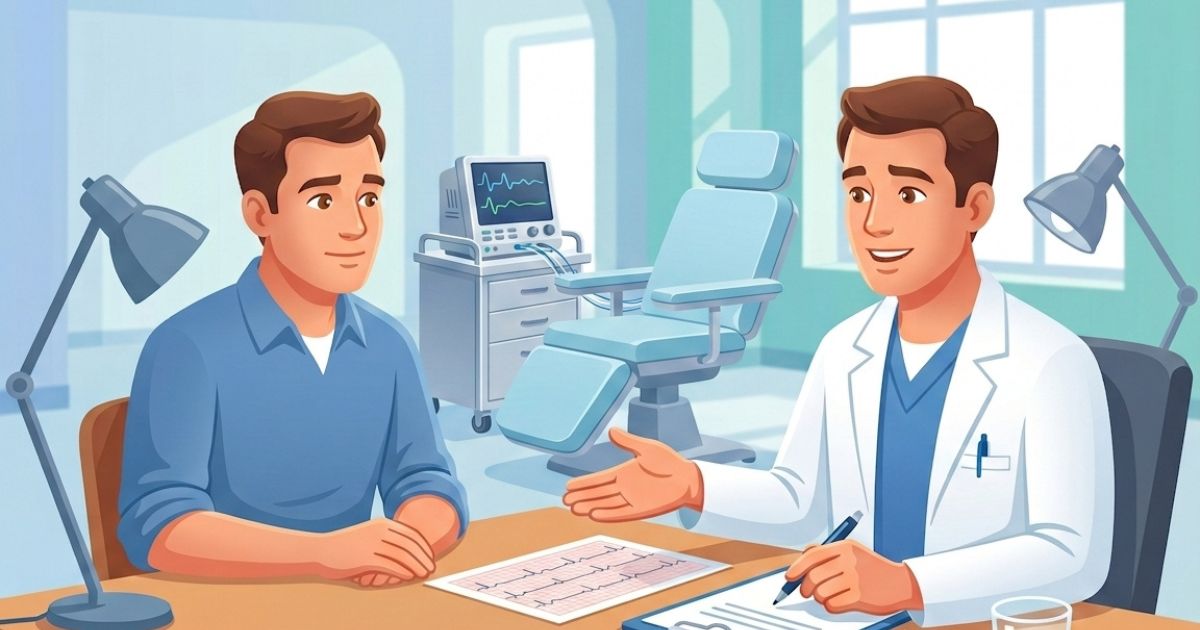
After the emergency evaluation, outpatient neurology follow-up may be recommended to review test results, monitor symptoms, adjust prevention plans, and coordinate long-term care.
What Is a Stroke?
A stroke occurs when blood supply to part of the brain is interrupted or reduced, leading to injury of brain tissue. Stroke is a medical emergency because brain cells can be damaged quickly when blood flow is lost.
There are two main types of stroke:
- Ischemic stroke, caused by a blood clot or blockage in a blood vessel supplying the brain
- Hemorrhagic stroke, caused by bleeding in or around the brain
Ischemic stroke is the most common type and may occur when a clot forms in a brain blood vessel or travels from another part of the body, such as the heart or neck arteries. Hemorrhagic stroke occurs when a blood vessel ruptures and causes bleeding that can damage brain tissue and increase pressure inside the skull.
The treatment depends on the type of stroke. This is why emergency imaging is essential before treatment decisions are made.
Causes and Risk Factors
TIA and stroke are often related to vascular, heart, and metabolic conditions that affect blood flow to the brain. Some risk factors can be managed with treatment and lifestyle changes, while others, such as age or family history, cannot be changed.
Common risk factors include:
- High blood pressure
- Diabetes
- High cholesterol
- Smoking
- Atrial fibrillation or other heart rhythm problems
- Heart disease
- Carotid artery disease
- Obesity
- Physical inactivity
- Prior TIA or stroke
- Sleep apnea
- Certain blood clotting conditions
High blood pressure is one of the most important stroke risk factors. Diabetes, cholesterol problems, smoking, and heart rhythm disorders can also increase the chance of blood vessel disease or clot formation.
A complete evaluation helps identify which risk factors are present and what prevention strategies may be most appropriate.
Warning Signs
Stroke and TIA symptoms usually appear suddenly. Recognizing symptoms quickly and calling emergency services can make a major difference.
The FAST acronym can help identify common warning signs:
- Face drooping: One side of the face may droop or feel numb.
- Arm weakness: One arm may feel weak, numb, or drift downward.
- Speech difficulty: Speech may be slurred, confused, or hard to understand.
- Time to call 911: Call emergency services immediately.
Other warning signs may include:
- Sudden numbness or weakness in the face, arm, or leg
- Sudden confusion
- Sudden trouble speaking or understanding speech
- Sudden vision changes in one or both eyes
- Sudden dizziness, loss of balance, or coordination problems
- Sudden severe headache with no known cause
- Sudden trouble walking
- Sudden difficulty swallowing or facial asymmetry
Symptoms may improve quickly during a TIA, but emergency care is still needed. There is no safe way to know at home whether symptoms are temporary or part of an evolving stroke.
When to Seek Emergency Care
Stroke is a medical emergency. Call 911 immediately if any sudden neurological symptoms occur, even if they improve or disappear.
Emergency care is needed for:
- Sudden facial drooping
- Sudden arm or leg weakness
- Sudden numbness on one side of the body
- Sudden speech difficulty
- Sudden confusion
- Sudden vision loss or double vision
- Sudden severe dizziness or loss of balance
- Sudden severe headache
- Symptoms that come and go but resemble stroke
Do not drive yourself or someone else with suspected stroke symptoms unless emergency services are not available. Calling 911 allows emergency responders to begin care and take the patient to the appropriate hospital.
Schedule a Neurological Evaluation
If you are experiencing neurological symptoms or require a specialist evaluation, Dr. Chakfe provides expert, comprehensive care tailored to your needs.
Complications and Long-Term Impact
Stroke can lead to long-term neurological changes depending on the area of the brain affected, the size of the injury, and how quickly treatment begins. Some patients recover significantly, while others may have lasting symptoms that require rehabilitation and long-term care.
Possible long-term effects may include:
- Weakness or numbness on one side of the body
- Difficulty walking or maintaining balance
- Speech or language problems
- Swallowing difficulty
- Vision changes
- Memory or thinking problems
- Behavioral or emotional changes
- Spasticity or muscle stiffness
- Chronic pain or discomfort
- Fatigue and reduced endurance
- Loss of independence in daily activities
TIA usually does not cause lasting symptoms, but it can indicate a high risk of future stroke. Long-term prevention and follow-up care are essential after both TIA and stroke.
Diagnostic Approach
Diagnosis of an active TIA or stroke is performed urgently in an emergency or hospital setting. The first priority is determining whether symptoms are caused by ischemic stroke, hemorrhagic stroke, TIA, seizure, migraine, low blood sugar, infection, or another neurological condition.
Emergency evaluation usually includes a focused neurological examination, vital signs, medication review, medical history, and rapid brain imaging. The medical team may ask when symptoms began because timing affects treatment options.
A structured diagnostic approach helps determine:
- Whether a stroke or TIA occurred
- Whether the event was ischemic or hemorrhagic
- Which area of the brain is affected
- Whether a large blood vessel is blocked
- Whether heart rhythm problems or artery narrowing are present
- What treatment or prevention plan is needed
After hospital discharge, outpatient neurology follow-up may help review findings, monitor recovery, and manage ongoing symptoms.
Tests Used
Testing for suspected TIA or stroke is usually performed urgently. The exact tests depend on the symptoms, timing, medical history, and emergency findings.
Common tests may include:
- CT scan of the brain
- MRI of the brain
- CT angiography or MR angiography to evaluate blood vessels
- Carotid ultrasound in selected cases
- Electrocardiogram, also called ECG or EKG
- Heart rhythm monitoring
- Echocardiogram when a heart source is suspected
- Blood tests for glucose, clotting, cholesterol, and other risk factors
CT imaging is often used quickly to determine whether bleeding is present. MRI may provide more detailed information in selected cases. Vascular imaging helps evaluate narrowing, blockage, or abnormalities in blood vessels. Heart testing may be needed because some strokes are caused by clots that form in the heart and travel to the brain.
Acute Treatment
Acute treatment for TIA or stroke happens in the hospital. Treatment depends on whether the event is ischemic or hemorrhagic and how quickly the patient arrives after symptoms begin.
For ischemic stroke, emergency treatment may focus on restoring blood flow when appropriate. This may include clot-dissolving medication or procedures to remove a clot in selected patients. For hemorrhagic stroke, treatment focuses on controlling bleeding, managing blood pressure, reducing pressure on the brain, and treating the cause of bleeding.
For TIA, treatment focuses on preventing a future stroke. This may involve medications, blood pressure control, cholesterol management, diabetes treatment, heart rhythm management, or procedures if severe artery narrowing is found.
Because treatment windows can be time-sensitive, patients should call 911 immediately at the first sign of stroke symptoms.
Stroke Prevention Strategies
Stroke prevention focuses on lowering the risk of another TIA or stroke. Prevention plans are individualized based on the cause of the event and the patient’s risk factors.
Prevention strategies may include:
- Blood pressure control
- Diabetes management
- Cholesterol reduction
- Smoking cessation
- Weight management
- Regular physical activity when safe
- Healthy nutrition
- Treatment of atrial fibrillation
- Antiplatelet or anticoagulant medication when prescribed
- Management of sleep apnea
- Treatment of carotid artery disease when indicated
Patients should take medications exactly as prescribed and keep follow-up appointments. Prevention is often a long-term process that involves medical care, lifestyle changes, and monitoring.
Rehabilitation and Recovery
Rehabilitation plays a major role in recovery after stroke. The type of therapy depends on which abilities are affected and how severe the symptoms are.
Rehabilitation may include:
- Physical therapy for strength, walking, balance, and mobility
- Occupational therapy for daily activities and independence
- Speech therapy for speech, language, cognition, or swallowing
- Cognitive rehabilitation for memory and attention
- Treatment for spasticity and muscle stiffness
- Support for fatigue, mood, and adjustment after stroke
Rehabilitation may begin in the hospital and continue after discharge through inpatient rehab, outpatient therapy, home therapy, or a combination of services. The goal is to help patients regain as much function and independence as possible.
Long-Term Management
Long-term care after TIA or stroke focuses on preventing recurrence and managing any lasting neurological symptoms. After stroke, patients may experience cognitive decline, behavioral changes, spasticity, muscle stiffness, weakness, numbness, pain, fatigue, or reduced balance.
At Brain & Nerve Center, we evaluate patients after hospital discharge to help maximize remaining function, reduce pain and discomfort, improve mobility, support cognitive and behavioral health, and guide long-term neurological recovery.
Long-term management may include:
- Neurological follow-up after TIA or stroke
- Review of hospital records and imaging
- Medication review and risk-factor monitoring
- Evaluation of weakness, numbness, spasticity, or pain
- Cognitive and behavioral assessment
- Coordination with rehabilitation services
- Prevention planning to reduce recurrence risk
- Support for brain health and daily function
Recovery can continue for months or longer. A structured follow-up plan helps patients and families understand what to expect and what steps may support improvement.
Why Early Intervention Matters
Early recognition and treatment of TIA or stroke can reduce brain injury, improve recovery outcomes, and prevent future strokes. Every minute matters when brain blood flow is interrupted.
Early intervention can help:
- Identify whether symptoms are caused by TIA or stroke
- Determine whether the event is ischemic or hemorrhagic
- Start time-sensitive emergency treatment when appropriate
- Reduce the risk of permanent disability
- Begin prevention strategies sooner
- Support rehabilitation planning
- Reduce the chance of recurrence
Even if symptoms go away, the event should be treated seriously. A TIA may be the warning sign that allows doctors to prevent a more disabling stroke.
Why Choose Brain & Nerve Center
Brain & Nerve Center provides neurological follow-up and long-term management for patients after TIA or stroke. Active stroke symptoms require emergency care, and patients should call 911 immediately if warning signs occur.
After emergency evaluation or hospital discharge, our team can help with recovery, monitoring, and prevention. We focus on understanding the cause of the event, reviewing symptoms and test results, managing neurological complications, and supporting long-term function.
Patients choose Brain & Nerve Center for:
- Post-hospital follow-up after TIA or stroke
- Evaluation of weakness, numbness, spasticity, or pain after stroke
- Cognitive and behavioral assessment after stroke
- Coordination with rehabilitation services
- Review of imaging and hospital recommendations
- Stroke prevention and risk-factor management
- Long-term neurological monitoring and recovery support
Our goal is to help patients recover as fully as possible, reduce future stroke risk, and improve quality of life through structured neurological care.