The nervous system controls everything including movement and sensation, memory, speech, and coordination. Because of this, neurological symptoms can present in many different ways, some subtle, others sudden and severe. While not every symptom signals a serious condition, certain warning signs should never be ignored.
Recognizing when something may be more than a temporary issue can make a critical difference. Early medical attention often leads to earlier diagnosis, more effective treatment, and better long-term outcomes.
Understanding Neurological Symptoms
Neurological symptoms occur when there is a disruption in how the brain, spinal cord, or nerves communicate with the rest of the body. These disruptions can be caused by a wide range of conditions, including nerve damage, infections, vascular issues, or neurodegenerative diseases.
Sometimes symptoms appear gradually, while in other cases they develop suddenly. The timing, pattern, and combination of symptoms often provide important clues about the underlying cause.
Sudden and Severe Symptoms: Act Immediately
Certain neurological symptoms require urgent medical attention because they may indicate a serious condition such as Stroke.
You should seek emergency care immediately if you experience sudden onset of:
- Weakness or numbness on one side of the body
- Difficulty speaking or understanding speech
- Vision loss or double vision
- Severe headache with no known cause
- Dizziness, loss of balance, or coordination problems
These symptoms can develop rapidly and worsen without prompt treatment. Time-sensitive intervention is often critical to prevent permanent damage.
Persistent Tingling, Numbness, or Burning
Occasional tingling or numbness can happen due to temporary pressure on a nerve. However, symptoms that persist, worsen, or spread may indicate underlying nerve damage.
Conditions such as Peripheral neuropathy can cause ongoing sensations like burning, tingling, or reduced sensitivity, often starting in the hands or feet.
If these symptoms interfere with daily activities or continue without a clear cause, a medical evaluation is important.
Ongoing Headaches or Changes in Headache Pattern
Headaches are common, but changes in their pattern, intensity, or frequency should be taken seriously. A headache that is suddenly severe, different from previous headaches, or accompanied by neurological symptoms may require immediate attention.
Frequent or worsening headaches may also be associated with conditions like Migraine or other underlying issues that benefit from proper diagnosis and management.
Memory Problems and Cognitive Changes
Occasional forgetfulness is a normal part of life, but persistent memory issues or changes in thinking ability may signal a deeper problem.
Warning signs include difficulty following conversations, repeating questions, confusion in familiar settings, or trouble completing routine tasks. These symptoms can sometimes be linked to conditions such as Mild cognitive impairment or other neurological disorders.
Early evaluation is important to determine the cause and explore treatment options.
Weakness, Coordination Problems, or Balance Issues
Difficulty with movement, such as muscle weakness, frequent stumbling, or loss of coordination can indicate a problem within the nervous system.
These symptoms may be associated with neurological conditions like Multiple sclerosis or other disorders affecting nerve signaling and muscle control.
Even gradual changes in balance or coordination should be assessed, especially if they worsen over time.
Seizures or Episodes of Altered Awareness
Any unexplained seizure or episode involving loss of awareness, confusion, or unusual movements requires medical evaluation.
Recurrent seizures may be a sign of Epilepsy, but even a single episode should not be ignored. Proper diagnosis helps determine the cause and guides treatment to reduce the risk of future events.
Changes in Vision, Speech, or Sensation
Neurological issues often affect communication and sensory perception. Symptoms such as blurred vision, difficulty speaking, slurred speech, or sudden hearing changes may indicate a problem in the brain or nerves.
These symptoms can be temporary or progressive, but either way, they warrant evaluation, especially if they occur suddenly or repeatedly.
Why Early Evaluation Matters
Many neurological conditions are easier to manage when detected early. Delaying medical attention can allow symptoms to worsen or lead to permanent damage.
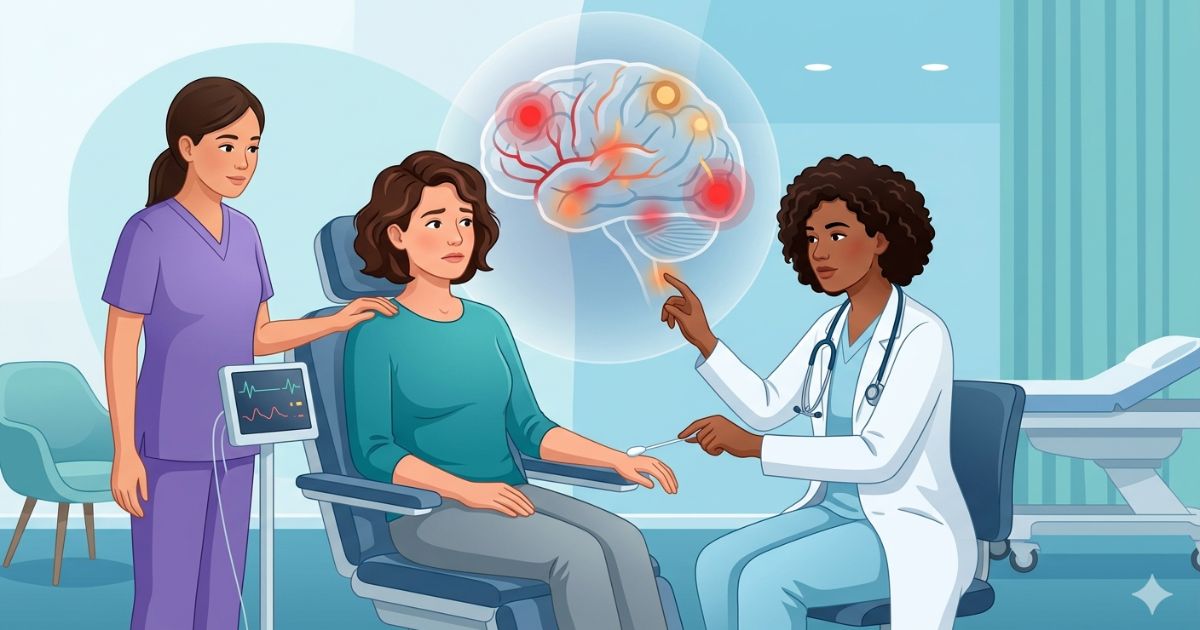
A neurological evaluation may include a detailed history, physical examination, imaging studies, and specialized tests depending on the symptoms. Identifying the cause is the first step toward effective treatment.
Trusting Your Instincts
One of the most important factors in seeking care is recognizing when something feels “not right.” Even if symptoms seem mild, persistent or unusual changes in how your body or mind functions should not be ignored.
It’s always better to seek medical advice and rule out serious conditions than to wait and risk complications.
Final Thoughts
Neurological symptoms can range from minor and temporary to serious and life-threatening. Knowing the warning signs and acting on them, can make a critical difference in outcomes.
If you experience sudden, persistent, or unexplained neurological changes, seeking timely medical attention is essential. Early care not only improves diagnosis but can also protect long-term brain and nerve health.