
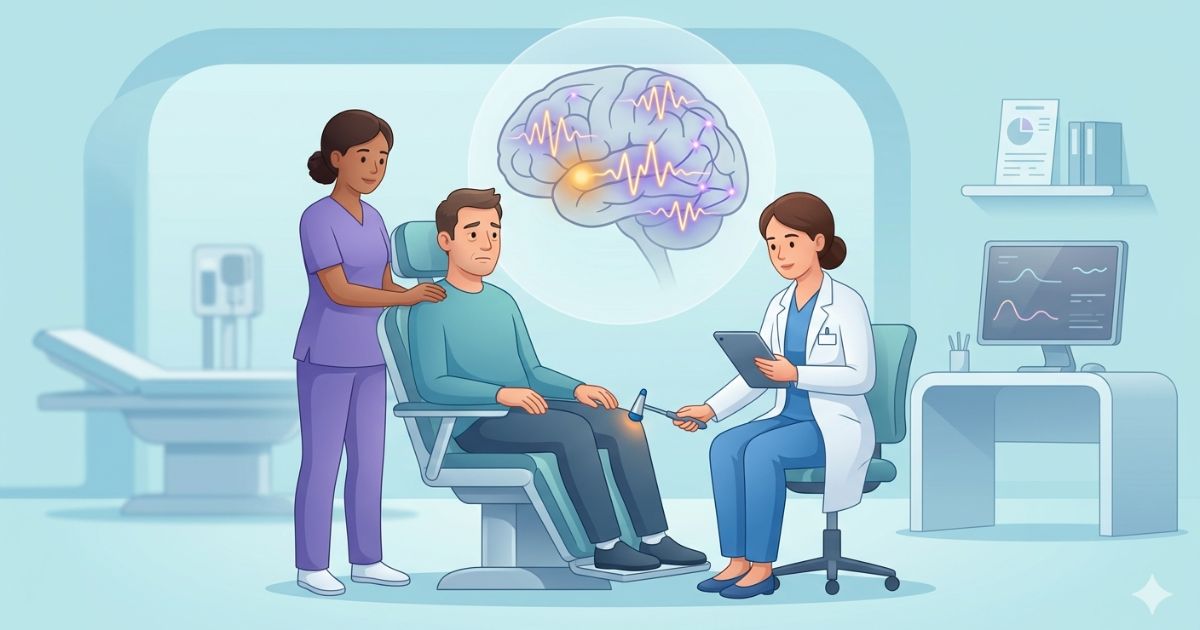
Seizures can be frightening, both for the person experiencing them and for those around them. While a single seizure may occur for various reasons, recurrent, unprovoked seizures are a hallmark of a neurological condition known as epilepsy. Understanding what epilepsy is, how seizures present, and how doctors evaluate them is essential for early diagnosis and effective management.
What is Epilepsy?
Epilepsy is a condition in which there is a tendency for repeated seizures caused by abnormal electrical activity in the brain. These electrical disturbances can disrupt normal brain function, leading to a wide range of symptoms depending on which part of the brain is affected.
Epilepsy is not a single disease but a spectrum of disorders with different causes, seizure types, and levels of severity. Some people may have infrequent, mild seizures, while others may experience more frequent or severe episodes that impact daily life.
What is a Seizure?
A seizure is a sudden surge of electrical activity in the brain that temporarily affects how the brain works. Symptoms can vary widely and are not always dramatic or obvious.
Some seizures involve convulsions and loss of consciousness, but others may be much more subtle, such as brief lapses in awareness, staring spells, or unusual sensations.
Seizures are generally divided into two main categories:
- Focal seizures, which begin in one specific area of the brain
- Generalized seizures, which involve both sides of the brain from the start
The type of seizure a person experiences helps guide diagnosis and treatment.
Common Signs and Symptoms of Seizures
Seizures can present in many different ways, depending on the individual and the part of the brain involved. Symptoms may include:
- Sudden jerking movements of the arms and legs
- Loss of consciousness or awareness
- Staring spells or brief periods of unresponsiveness
- Confusion or disorientation after an episode
- Unusual sensations, such as tingling, smells, or visual disturbances
- Repetitive movements, such as lip-smacking or hand gestures
Not all seizures involve shaking or collapse, which is why some forms of epilepsy can go unrecognized for long periods.
What Causes Epilepsy?
Epilepsy can develop for many different reasons, and in some cases, the exact cause is never identified. Known causes may include:
- Brain injury or trauma
- Stroke or reduced blood flow to the brain
- Brain infections
- Genetic factors
- Developmental conditions
- Brain tumors or structural abnormalities
Sometimes epilepsy develops without a clear trigger, which is referred to as idiopathic epilepsy.
How Is Epilepsy Diagnosed?
Diagnosing epilepsy involves more than confirming that a seizure occurred. Doctors aim to determine the type of seizure, the cause (if possible), and whether the pattern fits a diagnosis of epilepsy.
A neurological evaluation typically begins with a detailed history, including descriptions of the episodes, possible triggers, and any associated symptoms. Witness accounts can be especially helpful, as the person experiencing the seizure may not remember the event.
One of the most important diagnostic tools is the Electroencephalogram (EEG), which measures electrical patterns in the brain and can help identify abnormal activity associated with seizures. Brain imaging, such as MRI, may also be used to look for structural causes.
In some cases, additional tests are performed to rule out other conditions that may mimic seizures.
Treatment and Management
Treatment for epilepsy focuses on controlling seizures and improving quality of life. The approach depends on the type of epilepsy, frequency of seizures, and individual health factors.
Medications, known as anti-seizure drugs, are the most common treatment and can be highly effective for many people. These medications work by stabilizing electrical activity in the brain.
For individuals who do not respond to medication, other options may include:
- Surgical procedures to remove or isolate the area of the brain causing seizures
- Nerve stimulation therapies
- Dietary approaches in specific cases
Regular follow-up with a neurologist is essential to monitor treatment effectiveness and make adjustments as needed.
Living With Epilepsy
Living with epilepsy often requires lifestyle adjustments, but many people are able to lead full and active lives. Identifying and avoiding seizure triggers, such as sleep deprivation, stress, or flashing lights can help reduce the risk of episodes.
Safety precautions, such as avoiding high-risk situations without supervision, may also be recommended depending on seizure control.
Support from healthcare providers, family, and community resources plays an important role in managing the condition effectively.
When to Seek Medical Attention
Medical evaluation is important if someone experiences a first-time seizure, repeated episodes, or changes in seizure patterns. Immediate medical care is necessary if a seizure lasts longer than a few minutes, occurs repeatedly without recovery, or is accompanied by injury or difficulty breathing.
Early diagnosis allows for timely treatment, which can significantly reduce seizure frequency and improve overall outcomes.
Final Thoughts
Epilepsy is a complex but manageable neurological condition. Understanding seizures and recognizing their signs can lead to earlier diagnosis and more effective treatment.
If seizures are suspected, a comprehensive neurological evaluation is the first step toward clarity, control, and improved quality of life.