OVERVIEW
Get Clear Answers for Numbness, Weakness, and Nerve Pain
If you're experiencing tingling, numbness, muscle weakness, or unexplained pain, Nerve Conduction Studies (NCS) and Electromyography (EMG) help identify the exact cause.
We provide precise, in-office diagnostic testing to evaluate how your nerves and muscles are functioning, so you can get the right treatment faster.
What are NCS and EMG
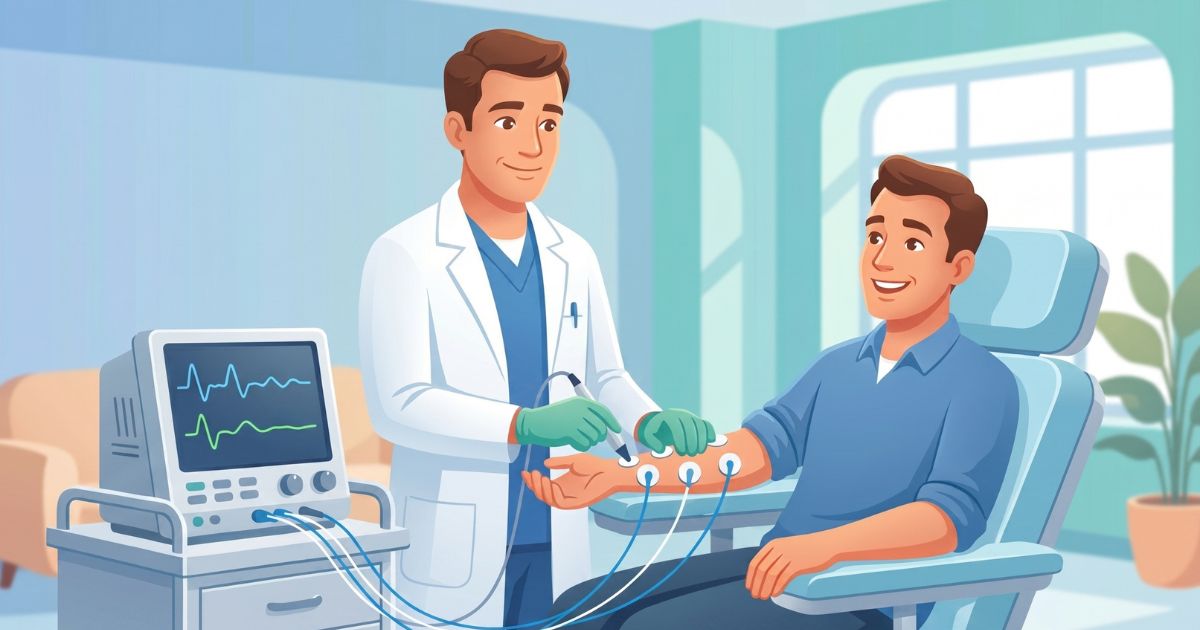
Nerve Conduction Studies (NCS) and Electromyography (EMG) are specialized tests used to evaluate how well your nerves and muscles are functioning. They are commonly performed together to give a clear, detailed picture of your neuromuscular health.
- A Nerve Conduction Study (NCS) measures how quickly and effectively electrical signals travel through your nerves. This helps identify whether a nerve is damaged, compressed, or not functioning properly.
- An Electromyography (EMG) evaluates the electrical activity of your muscles, both at rest and during movement. It helps determine how well your muscles are responding to nerve signals and can detect abnormalities related to muscle or nerve conditions.
Together, these tests help pinpoint the source of symptoms such as pain, numbness, tingling, weakness, or muscle dysfunction. By identifying whether the issue originates in the nerves, muscles, or at their interface, NCS and EMG play a key role in guiding an accurate diagnosis and effective treatment plan.
Symptoms
When you may need NCS / EMG
You may benefit from NCS or EMG testing if you’re experiencing:
- Numbness or tingling
- Weakness in your arms, legs, or hands
- Pain that feels burning, sharp, or travels down a limb
- Frequent muscle cramping or twitching
- Double vision or drooping of the eyelid (myasthenia gravis)
These tests can help when symptoms point to a possible nerve or muscle problem but the cause isn’t clear yet.
Conditions diagnosed
NCS and EMG are commonly used to diagnose:
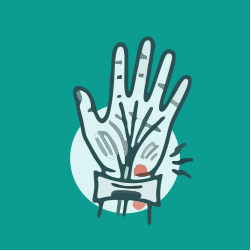
Carpal Tunnel Syndrome
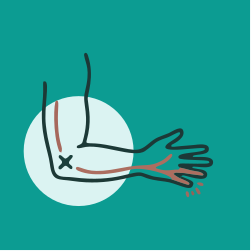
Ulnar Neuropathy
Peripheral Neuropathy (including diabetic neuropathy)
Radiculopathy (pinched nerves in neck or back)
Muscle disorders (myopathies)
Motor neuron diseases
Myasthenia gravis

How to prepare for the test
Take a shower prior to the test
Do not put any lotion, baby oil or cream of your extremities
If you are taking any medication for pain do not stop them prior to the test.
Tell the doctor if you have a bleeding problem or take blood thinner medication
Wear comfortable clothing
How the test works
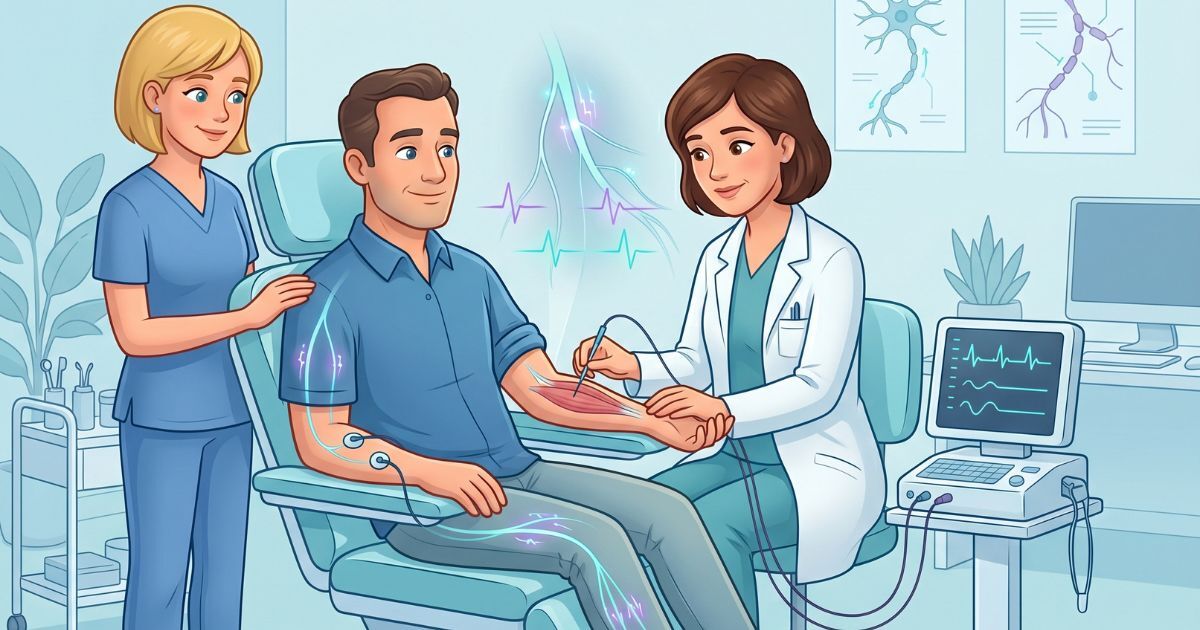
The procedure is performed in two parts. During the nerve conduction study, small electrodes are placed on the skin to stimulate nerves and measure signal speed. During the EMG portion, a fine needle electrode is inserted into selected muscles to assess electrical activity.
The test is performed carefully to ensure both accuracy and patient comfort.
What to expect
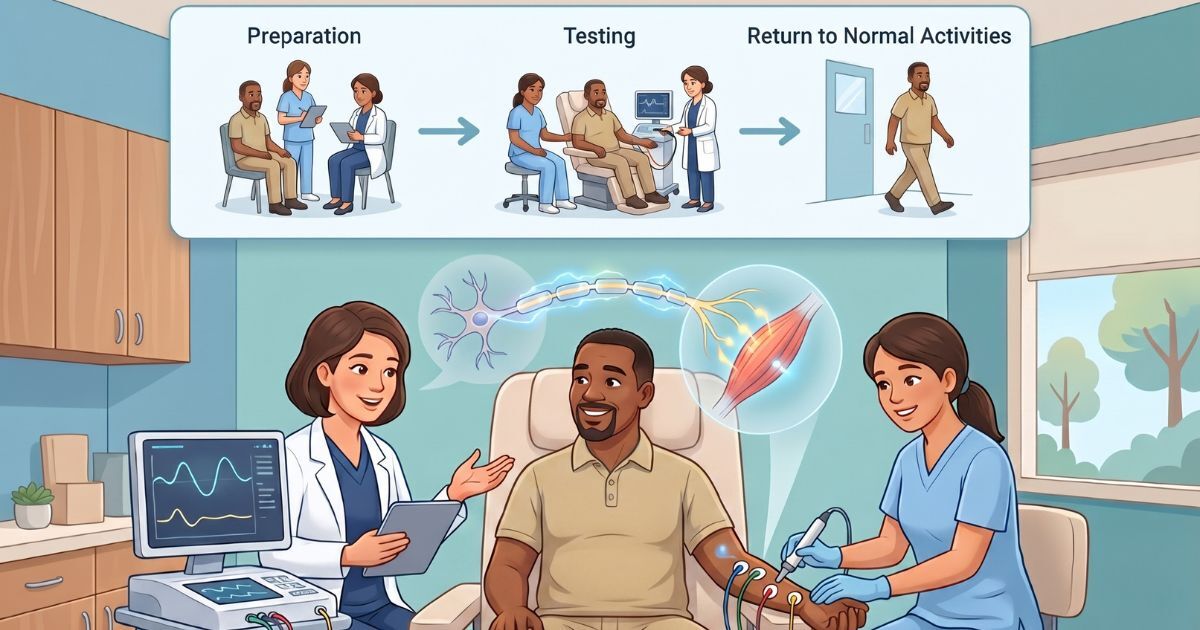
Preparation is minimal. Patients are typically asked to avoid applying lotions to the skin on the day of the test.
During the study, mild electrical pulses are used for NCS, and the EMG portion may cause brief, tolerable discomfort. Most patients complete the test within 30 to 60 minutes.
After the test, normal activities can be resumed immediately. If you feel some aching in the muscle at the site of needle exam you may take some Tylenol or ibuprofen for it. Usually it will subside in a few days.
Why is this test important?
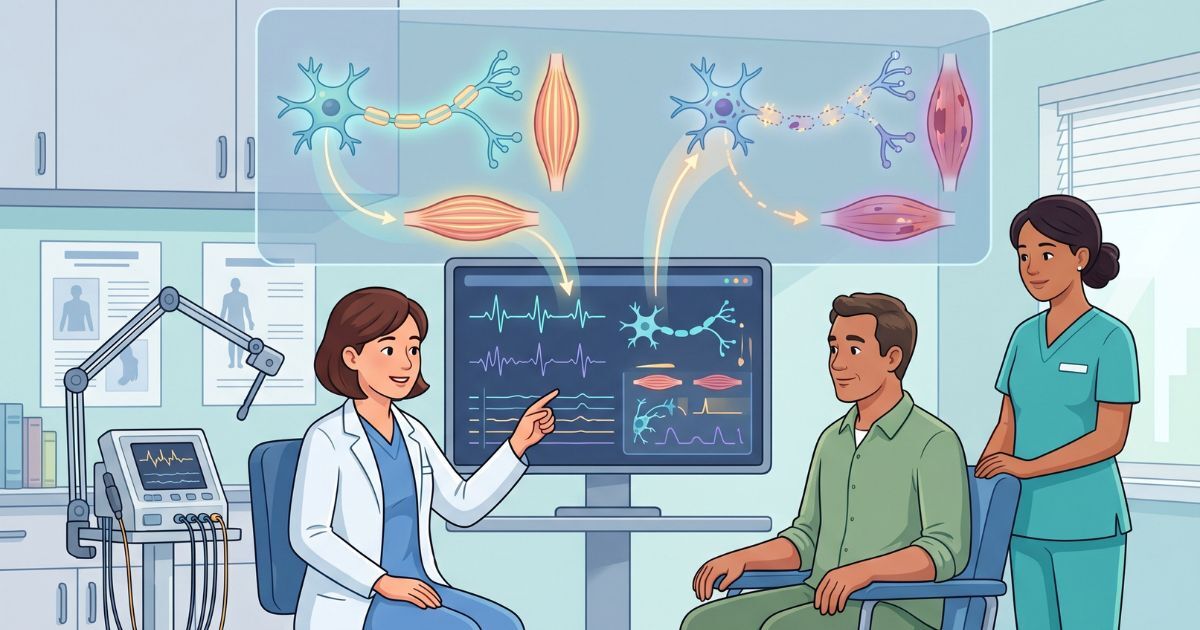
NCS and EMG provide objective data that cannot be obtained through examination alone. They help:
- Confirm or rule out nerve damage
- Distinguish between nerve and muscle disorders
- Guide treatment decisions
Brain and Nerve
Why Choose Us
NCS and EMG testing in our practice is performed and interpreted by a neurologist Dr. Yassar Chakfe, ensuring a high level of accuracy and clinical relevance.
By combining testing and consultation in one setting, we are able to provide a more efficient and streamlined diagnostic process. Patients receive clear explanations of their results, along with guidance on next steps, allowing for faster and more informed treatment decisions.