Epilepsy affects millions of people worldwide and remains one of the most common neurological disorders. While seizures are the defining feature of epilepsy, the condition can vary greatly from person to person, making accurate diagnosis and effective treatment essential.
Over the past several decades, significant advances in epilepsy care have transformed how seizures are monitored, diagnosed, and managed. New technologies and treatment approaches are helping clinicians better understand seizure activity, personalize care, and improve quality of life for patients living with Epilepsy.
How Epilepsy Care Has Evolved
In the past, epilepsy diagnosis often relied heavily on patient descriptions and witness accounts of seizures. While these observations remain important, modern neurology now has access to sophisticated tools that provide a much clearer picture of what is happening inside the brain.
Advances in brain imaging, continuous monitoring, and data analysis have made it possible to identify seizure patterns more accurately than ever before. This improved understanding allows healthcare providers to make more precise diagnoses and develop targeted treatment plans.
As a result, many patients today experience better seizure control and more individualized care than was possible in previous generations.
Improved EEG Technology
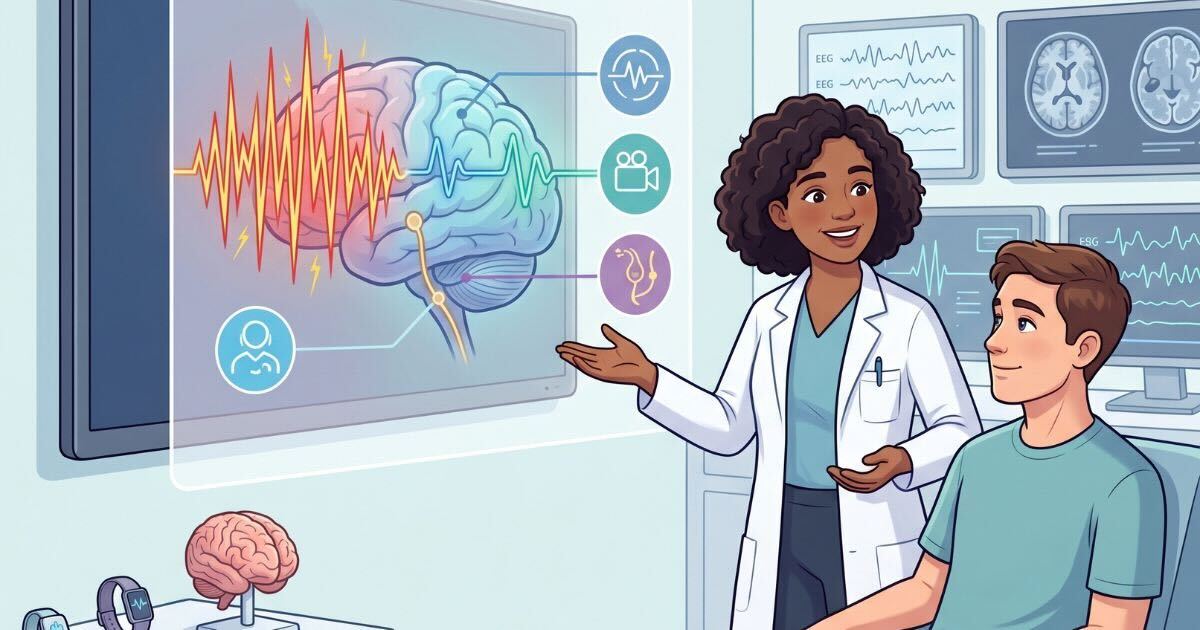
One of the most important tools in epilepsy diagnosis is the Electroencephalogram (EEG). EEG technology has advanced considerably, providing more detailed recordings of brain activity and helping specialists detect abnormalities that may have been missed in the past.
Modern digital EEG systems offer higher-quality recordings and improved analysis capabilities. These systems can capture subtle electrical changes that help neurologists identify the origin and type of seizures more accurately.
Some centers also use prolonged EEG monitoring, allowing brain activity to be recorded over extended periods. This can be particularly helpful when seizures occur infrequently or when the diagnosis is unclear.
Video EEG Monitoring
One of the most significant developments in epilepsy care is video EEG monitoring. This technology combines continuous EEG recording with synchronized video footage of the patient.
By capturing both brain activity and physical behavior during a seizure, doctors can better determine whether episodes are epileptic in nature and identify where seizures originate in the brain.
Video EEG monitoring is especially valuable for patients with difficult-to-diagnose events or those being evaluated for advanced treatment options such as surgery.
Wearable Devices and Remote Monitoring
Recent years have seen growing interest in wearable technology designed to assist with seizure monitoring. Smartwatches, sensors, and other wearable devices can detect certain seizure-related movements or physiological changes and alert caregivers when an event occurs.
While these devices do not replace traditional medical monitoring, they can provide additional information and help patients track seizure frequency more accurately.
Remote monitoring technologies are also making it easier for healthcare providers to review patient data between appointments, supporting more responsive and personalized care.
Advances in Brain Imaging
Imaging technology has become increasingly sophisticated in identifying structural abnormalities that may contribute to seizures.
High-resolution MRI scans can reveal subtle changes in brain tissue that may not have been detectable with older imaging techniques. This is particularly important for patients whose seizures originate from a specific area of the brain.
Improved imaging helps neurologists better understand the cause of epilepsy and determine whether certain treatment options, including surgery, may be appropriate.
Newer Anti-Seizure Medications
Medication remains the primary treatment for most people with epilepsy, but the range of available therapies has expanded significantly.
Newer anti-seizure medications offer additional options for patients who do not respond well to traditional treatments. These medications often target specific pathways involved in abnormal electrical activity while aiming to minimize side effects.
Because epilepsy varies so widely between individuals, having a larger selection of medications allows doctors to tailor treatment more effectively to each patient's needs.
Neuromodulation Therapies
For individuals whose seizures cannot be adequately controlled with medication alone, neuromodulation therapies have become an important advancement.
These treatments use implanted devices to influence nerve activity and help reduce seizure frequency. One example is Vagus nerve stimulation, which delivers regular electrical impulses to the vagus nerve.
Other forms of brain stimulation are also being explored and refined, providing additional options for patients with drug-resistant epilepsy.
Advances in Epilepsy Surgery
Surgical treatment has also evolved significantly. For patients whose seizures originate from a clearly identifiable area of the brain, surgery may offer substantial improvement or even seizure freedom.
Modern surgical techniques are more precise than ever, thanks to advances in imaging, mapping technologies, and intraoperative monitoring. These improvements help reduce risks while increasing the likelihood of successful outcomes.
Not every patient is a candidate for surgery, but for carefully selected individuals, it can be life-changing.
Personalized Medicine and the Future of Care
One of the most exciting developments in epilepsy treatment is the move toward personalized medicine. Researchers are increasingly studying how genetics, brain activity patterns, and individual patient characteristics influence seizure disorders.
This approach aims to match patients with the treatments most likely to work for their specific form of epilepsy, rather than relying on a one-size-fits-all strategy.
Artificial intelligence and advanced data analysis are also beginning to play a role in predicting seizure patterns and assisting clinicians with treatment planning.
What These Advances Mean for Patients
The growing range of diagnostic tools and treatment options means that many people with epilepsy now have more opportunities to achieve better seizure control than ever before.
Earlier diagnosis, more accurate monitoring, and individualized treatment plans can lead to:
- Better seizure management
- Improved quality of life
- Greater independence and safety
- Reduced treatment-related side effects
- More confidence in long-term care decisions
While epilepsy remains a complex condition, continued innovation is helping improve outcomes for patients of all ages.
Final Thoughts
Advances in epilepsy monitoring and treatment are reshaping the way seizures are diagnosed and managed. Sophisticated EEG technology and wearable monitoring devices, new medications and neuromodulation therapies, today's patients have access to more tools and treatment options than ever before.
As research continues and technology evolves, the future of epilepsy care looks increasingly promising. For individuals living with epilepsy, these innovations offer hope for better seizure control, improved quality of life, and a more personalized approach to care.