
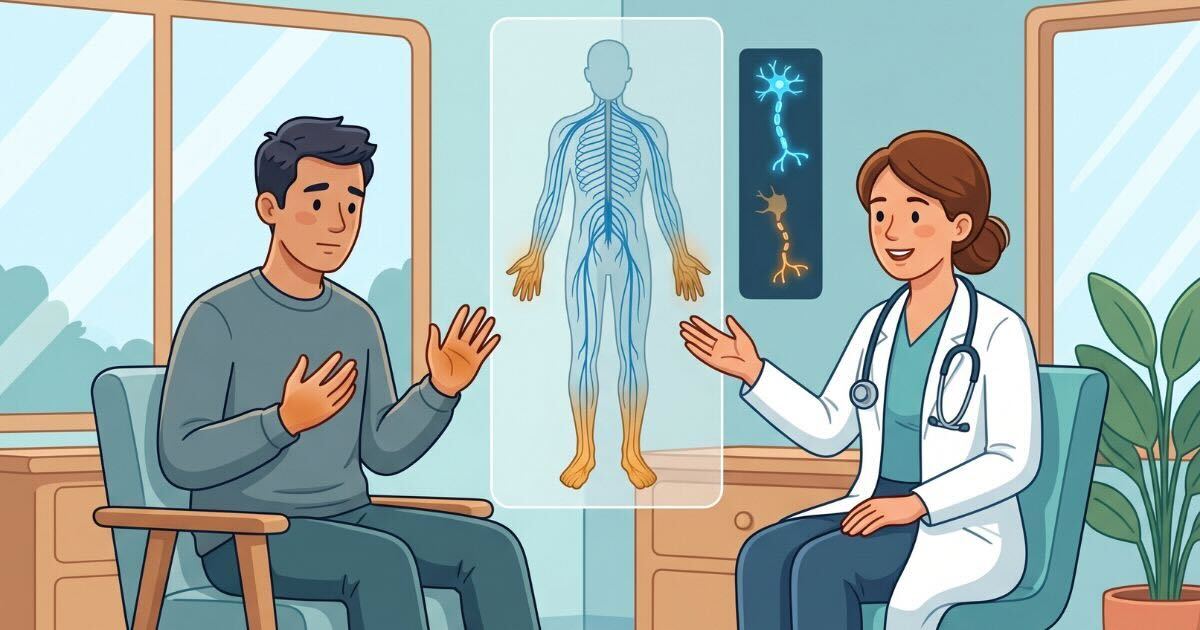
Numbness in the hands or feet is a common experience. Many people notice it after sitting in one position for too long, crossing their legs, or sleeping awkwardly on an arm. In these cases, the sensation is temporary and harmless.
But when numbness becomes frequent, persistent, or unexplained, it may point to an underlying issue involving the nerves, circulation, or even the nervous system itself. Understanding when this symptom is more than just “pins and needles” is important for early detection and treatment.
What Numbness Actually Means
Numbness occurs when normal nerve signals between the brain and a specific part of the body are disrupted. This can reduce or completely block the ability to feel touch, temperature, or pain in that area.
The nervous system is responsible for sending sensory information back to the brain. When something interferes with this communication, whether due to pressure, damage, or disease—the result can be numbness or altered sensation.
When Numbness Is Harmless
Not all numbness is a cause for concern. Temporary numbness often happens due to:
- Sitting or lying in one position for too long
- Pressure on a nerve (such as crossing legs or leaning on an arm)
- Cold temperatures reducing blood flow
- Short-term nerve compression during sleep
In these cases, sensation usually returns within minutes once pressure is relieved or circulation improves.
When Numbness Becomes a Warning Sign
Numbness should be evaluated when it becomes persistent, recurrent, or spreads over time. Warning signs include:
- Numbness that lasts for days or weeks
- Gradual spread from feet upward or hands inward
- Loss of coordination or balance
- Weakness in the affected limb
- Burning, tingling, or pain accompanying numbness
- Difficulty performing fine motor tasks, such as buttoning clothes
These patterns may suggest underlying nerve dysfunction rather than temporary compression.
Peripheral Nerve Damage and Sensory Changes
One of the most common causes of persistent numbness is nerve damage affecting the peripheral nervous system.
Conditions such as Peripheral neuropathy can lead to numbness, tingling, burning, or weakness, often starting in the feet and gradually progressing upward.
This “stocking-glove” pattern is often associated with conditions that affect multiple nerves at once, rather than a single compressed nerve.
Medical Conditions That Can Cause Numbness
Several underlying health conditions can contribute to numbness in the hands or feet. These include:
- Diabetes, which can damage small nerves over time
- Vitamin deficiencies, particularly vitamin B12
- Autoimmune disorders affecting nerve function
- Infections that impact the nervous system
- Nerve compression syndromes such as carpal tunnel syndrome
In some cases, numbness may also be linked to neurological conditions such as Multiple sclerosis, where nerve signaling in the central nervous system is disrupted.
When Circulation vs. Nerves Are Involved
Not all numbness is caused by nerve damage. Sometimes the issue is related to blood flow. Poor circulation can reduce oxygen delivery to tissues, leading to temporary or recurring numbness.
However, circulation-related numbness often improves quickly when movement increases blood flow, while nerve-related numbness tends to persist or worsen over time.
Distinguishing between the two often requires a medical evaluation.
How Doctors Evaluate Numbness
When numbness is persistent or unexplained, doctors begin with a detailed neurological examination. They assess sensation, reflexes, strength, and coordination to determine whether the issue is nerve-related.
Additional testing may include blood work to check for vitamin deficiencies or metabolic issues. In some cases, nerve function studies such as Nerve conduction study or Electromyography (EMG) are used to identify the location and severity of nerve involvement.
Why Early Attention Matters
Numbness is often one of the earliest signs of nerve dysfunction. When identified early, underlying causes may be easier to treat or manage, potentially slowing progression or preventing permanent damage.
Delaying evaluation can allow nerve damage to worsen, making symptoms more difficult to reverse over time.
When to Seek Medical Care
You should seek medical attention if numbness:
- Persists without improvement
- Gradually worsens or spreads
- Affects both sides of the body
- Is accompanied by weakness or pain
- Interferes with daily activities or coordination
Sudden numbness, especially on one side of the body, should be treated as an emergency, as it may indicate a serious neurological event.
Final Thoughts
Occasional numbness is usually harmless, but persistent or unexplained changes in sensation should never be ignored. These symptoms can be early indicators of nerve or neurological conditions that benefit from timely diagnosis.
Paying attention to how and when numbness occurs can provide important clues and seeking medical evaluation early can make a meaningful difference in long-term outcomes.