Neurological disorders are often discussed in terms of symptoms, headaches, weakness, memory loss, or seizures, but the real changes happen at a much deeper level inside the brain. These conditions affect how brain cells communicate, how networks of neurons function, and how signals travel through the nervous system.
To understand neurological disease, it helps to look beyond symptoms and explore what is actually happening inside the brain when normal function is disrupted.
The Brain as a Communication Network
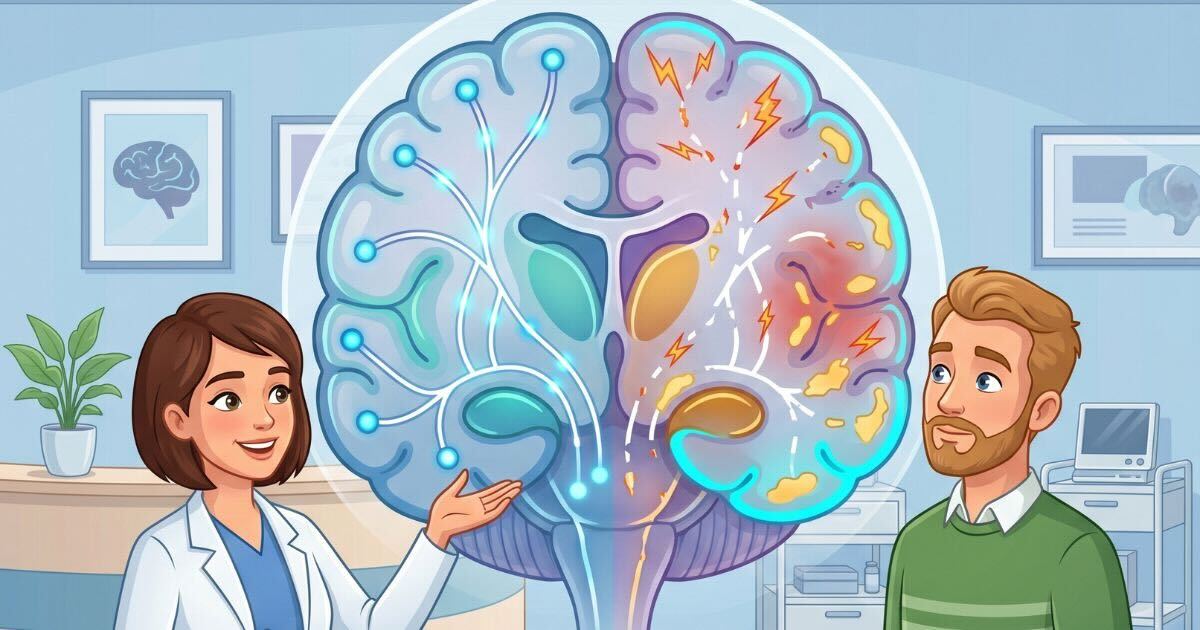
The brain is made up of billions of nerve cells called neurons. These cells constantly communicate with each other through electrical and chemical signals. Every thought, movement, memory, and sensation depends on this complex communication system working smoothly.
When everything is functioning normally, signals move efficiently through neural pathways, allowing the brain and body to work in harmony. But in neurological disorders, this communication system becomes disrupted.
Depending on the condition, the disruption may involve damaged neurons, faulty signaling, inflammation, or structural changes in the brain.
What Changes Inside the Brain?
Different neurological conditions affect the brain in different ways, but several common processes often occur:
Disrupted Electrical Activity
Some disorders affect the brain’s electrical system. When neurons fire abnormally or unpredictably, it can lead to symptoms such as seizures or sudden changes in awareness. This is a key feature of Epilepsy, where excessive or disorganized electrical signals temporarily interrupt normal brain function.
Inflammation in the Nervous System
In some conditions, the immune system mistakenly attacks healthy nervous tissue, leading to inflammation. This inflammation can damage nerve fibers and slow down communication between the brain and body.
A condition like Multiple sclerosis is a clear example, where inflammation damages the protective covering of nerves (myelin), disrupting signal transmission.
Loss of Nerve Protection (Myelin Damage)
Many neurological disorders involve damage to myelin, the protective sheath around nerve fibers. Myelin acts like insulation, helping electrical signals travel quickly and efficiently.
When myelin is damaged, signals slow down or become blocked entirely. This can lead to symptoms such as weakness, numbness, or coordination problems, depending on which nerves are affected.
Neurochemical Imbalances
The brain relies on neurotransmitters, chemical messengers that help neurons communicate. When these chemicals are out of balance, brain function can be affected in subtle or significant ways.
This can influence mood, cognition, movement, and perception, depending on which systems are involved.
Neuron Damage or Loss
Some neurological disorders involve the gradual loss or dysfunction of neurons themselves. Since neurons do not regenerate easily, this type of damage can lead to long-term or progressive symptoms.
In conditions like Alzheimer disease, neurons in areas responsible for memory and thinking gradually deteriorate, leading to cognitive decline over time.
How Symptoms Reflect Brain Changes
The symptoms a person experiences depend on which part of the brain or nervous system is affected. For example:
- Damage in motor areas may cause weakness or movement problems
- Changes in sensory pathways may lead to numbness or tingling
- Disruption in cognitive regions may affect memory or thinking
- Abnormal electrical activity may result in seizures
This is why neurological disorders can look very different from person to person, even when the underlying type of damage is similar.
Why the Brain Can Compensate (Sometimes)
One of the most remarkable features of the brain is its ability to adapt. Through a process known as neuroplasticity, the brain can sometimes reroute functions through healthy areas when damage occurs.
However, this compensation has limits. In progressive or severe neurological disorders, the damage may outpace the brain’s ability to adapt, leading to worsening symptoms over time.
How Doctors Investigate Brain Changes
Because neurological disorders affect the brain in complex ways, diagnosis often requires multiple types of evaluation. These may include imaging studies like MRI scans, electrical testing such as EEG, and clinical neurological exams that assess reflexes, strength, coordination, and cognition.
In some cases, specialized tests like Electroencephalogram (EEG) are used to detect abnormal brain activity patterns, especially when seizures or unexplained episodes are involved.
The goal is not just to identify symptoms, but to understand what is happening inside the brain itself.
Why Early Understanding Matters
Neurological disorders often begin subtly, with small changes that can be easy to dismiss. But these early signs can reflect important changes happening at the cellular and network level in the brain.
Early diagnosis allows for earlier treatment, better symptom control, and in many cases, slower progression of disease. Understanding what is happening inside the brain helps patients and clinicians take symptoms more seriously and act sooner.
Final Thoughts
Inside the brain, neurological disorders are not just collections of symptoms, they are disruptions in communication, structure, and function. Whether it’s electrical imbalance, inflammation, or nerve damage, each condition affects the brain in a unique but deeply interconnected way.
By understanding these internal changes, it becomes clearer why neurological symptoms occur and why timely evaluation is so important for protecting long-term brain health.